Embark on an unforgettable journey from the historic city of Pisa to the enchanting waterways of Venice. This itinerary is crafted for the curious traveler who thrives on discovery and relishes in moments that blend the past with the present. Imagine waking up to the golden hue of sunrise illuminating the Leaning Tower of Pisa, or strolling the ancient streets of Lucca, where every corner tells a story of bygone eras. This trip is a harmonious blend of iconic sights and hidden gems, inviting you to explore Italy’s rich tapestry of culture, history, and natural beauty.
As you glide through this itinerary, you'll experience a rhythm that balances must-see attractions with the joy of spontaneous exploration. Picture yourself wandering the bustling Piazza Maggiore in Bologna, savoring the local flavors at vibrant markets, or finding a quiet moment on the serene banks of the Arno River. The journey is designed to give you the freedom to immerse in the essence of each city, while still leaving room for those unplanned moments that often become the most cherished memories.
This guide is perfect for the traveler who appreciates a mix of structured plans and serendipitous discoveries. It's for those who love to dive into the heart of a place, delighting in both its grandeur and its subtleties. You'll feel the pulse of each city through its architecture, its art, and its people, connecting with the timeless allure of Italy. From the Renaissance masterpieces in Florence to the intricate mosaics of St. Mark’s Basilica in Venice, each day promises a new adventure.
Whether you're a seasoned traveler or someone stepping outside your comfort zone, this itinerary offers an enriching experience that’s both practical and inspiring. It’s more than just a sequence of destinations; it's a carefully curated journey through some of Italy's most captivating locales. By following this guide, you’ll not only see the sights but also feel the soul of Italy, ensuring your trip is as memorable as it is transformative.
So pack your bags and prepare to be swept away by the beauty and diversity of Italy. This journey from Pisa to Venice is not just a trip—it's a sensory feast that will leave you with a deeper appreciation for the wonders of this remarkable country.
Best for
Why visit
This five-day journey from Pisa to Venezia is made for travelers who like to move with intention, collecting distinct city atmospheres without turning the trip into a checklist. You’ll begin with iconic landmarks and gentle riverside walks, ease into smaller-scale charm, and then build toward Italy’s grand art cities before ending in Venice’s waterbound calm. It’s a satisfying arc: open squares and stone towers give way to canals, reflections, and evenings that feel unhurried.
It suits you if you enjoy exploring on foot, lingering over long lunches, and letting mornings do the heavy lifting. Early starts make a real difference around the most famous sights, when the light is softer and the streets are quieter; afternoons are better saved for museums, markets, and slow wandering between neighborhoods. The pacing is especially comfortable in spring and autumn, when mild weather makes walking feel effortless and the overall mood is more relaxed.
Venice is the natural finale, and this itinerary gives it the space it deserves. After days of landlocked cities, arriving somewhere the streets are water and the route itself becomes part of the experience feels like a reset. If you’re drawn to quieter corners, spend time in Dorsoduro, where the canals feel more local and the city’s beauty shows up in small details rather than crowds.
Seasonal
See year-round climate
Jan
4°C53.9mm
7d
184.5h
Feb
6°C66.4mm
7d
190.3h
Mar
9°C71mm
8d
274.9h
Apr
13°C81.9mm
9d
312h
May
17°C133.9mm
14d
336.8h
Jun
23°C72.6mm
8d
393.1h
Jul
25°C60.7mm
9d
408.6h
Aug
25°C78.9mm
8d
377.9h
Sep
20°C120.4mm
10d
306.2h
Oct
15°C92.3mm
9d
242.1h
Nov
9°C107.5mm
11d
178.1h
Dec
5°C63.7mm
7d
157.6h
How to read these seasonal expectations
Teravia calculates each month from daily historical weather data for this location across the latest complete ten-year reference period. These are planning context, not a forecast for a particular trip.
Weather data by Open-Meteo.com · CC BY 4.0 · Aggregated by Teravia
Continue
Continue this guide in teravia
We'll prefill the destination. You shape it to your preferences.
Events
What is on over the next 12 months
A selection of verified upcoming events along the Pisa to Venice route (primarily Tuscany and Venice):
Upcoming timeline
Jan 2027
Carnevale di Venezia 2027
Jan 23 - Feb 9
Venice historic center and lagoon
Iconic annual Carnival with masks, parades, historical costumes, balls, and street spectacles across Venice. A timeless cultural celebration.
Food scene
Dishes to try
Cecina
Thin chickpea-flour flatbread from the Pisa area, baked until crisp at the edges. Often eaten plain or in a focaccia roll.
Pappa al pomodoro
Tuscan bread-and-tomato soup with garlic and basil. Comforting and thick, usually finished with good olive oil.
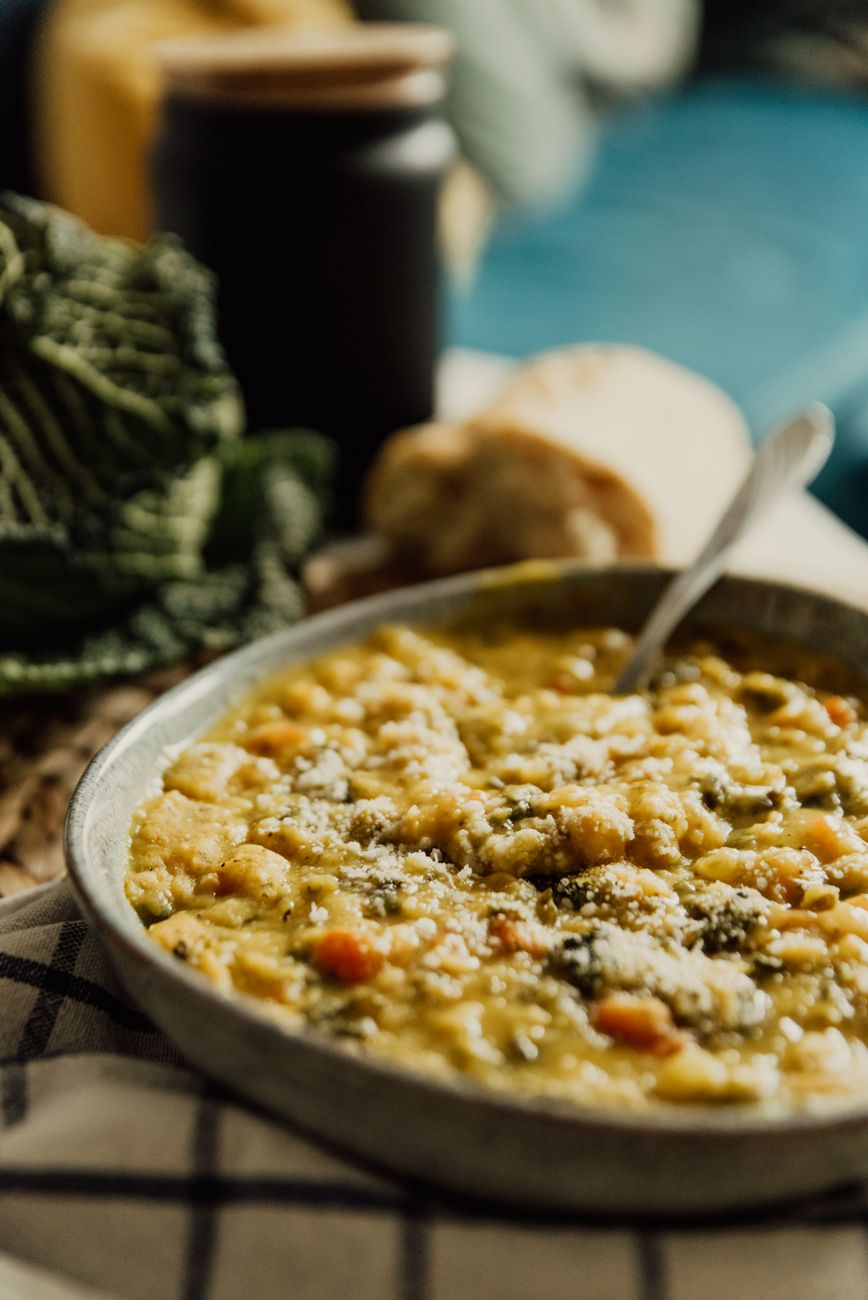
Ribollita
Hearty Tuscan soup of beans, cavolo nero, and day-old bread, reheated to deepen the flavor. Common in cooler months.
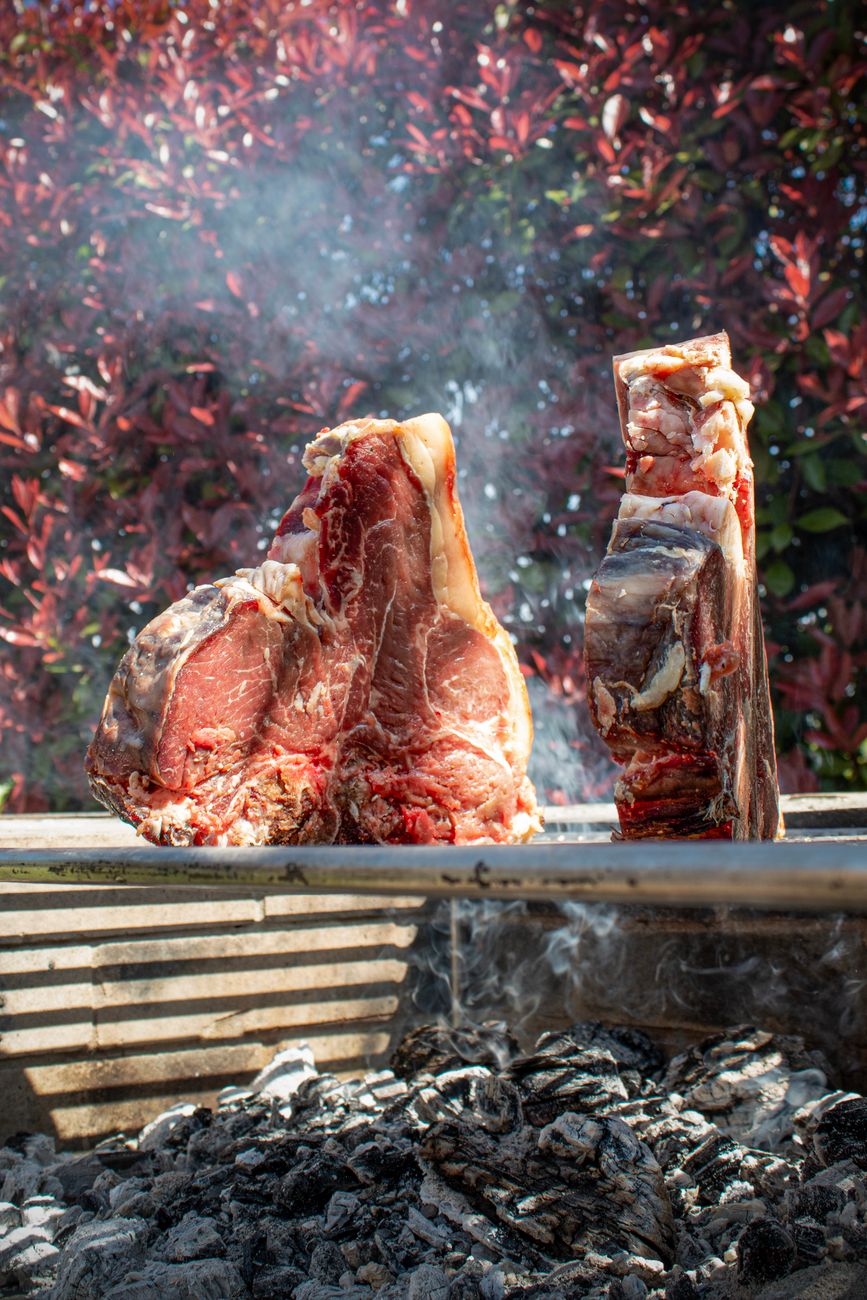
Bistecca alla fiorentina
Thick-cut T-bone steak grilled rare over high heat, typical around Florence. Best shared and kept simply seasoned.
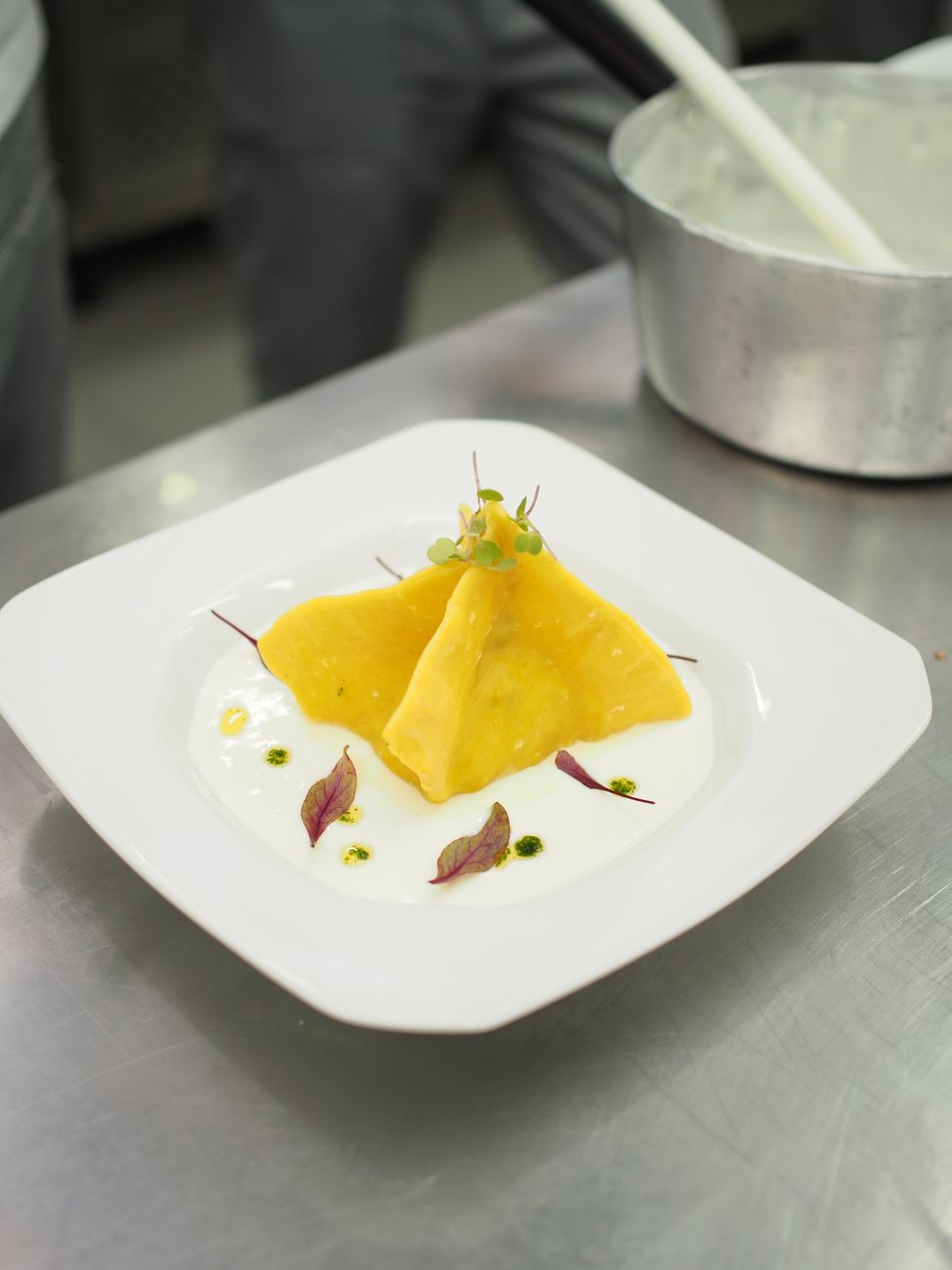
Tortelli di zucca (Mantova)
Pasta parcels filled with pumpkin and amaretti, served with butter and sage. A signature dish as you head toward the Po Valley.
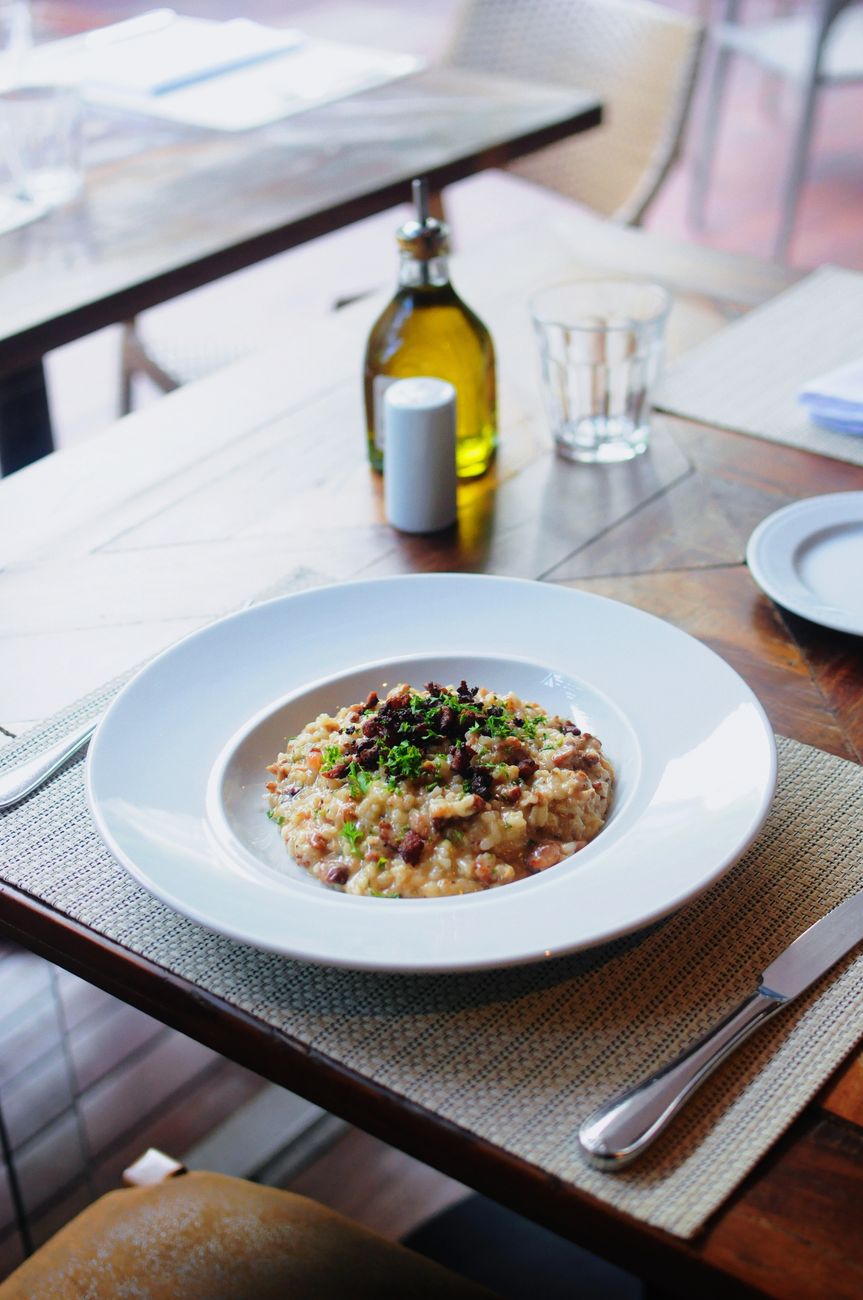
Risotto all'Amarone
Creamy risotto colored and scented by Amarone wine from Valpolicella near Verona. Rich but balanced with a savory finish.
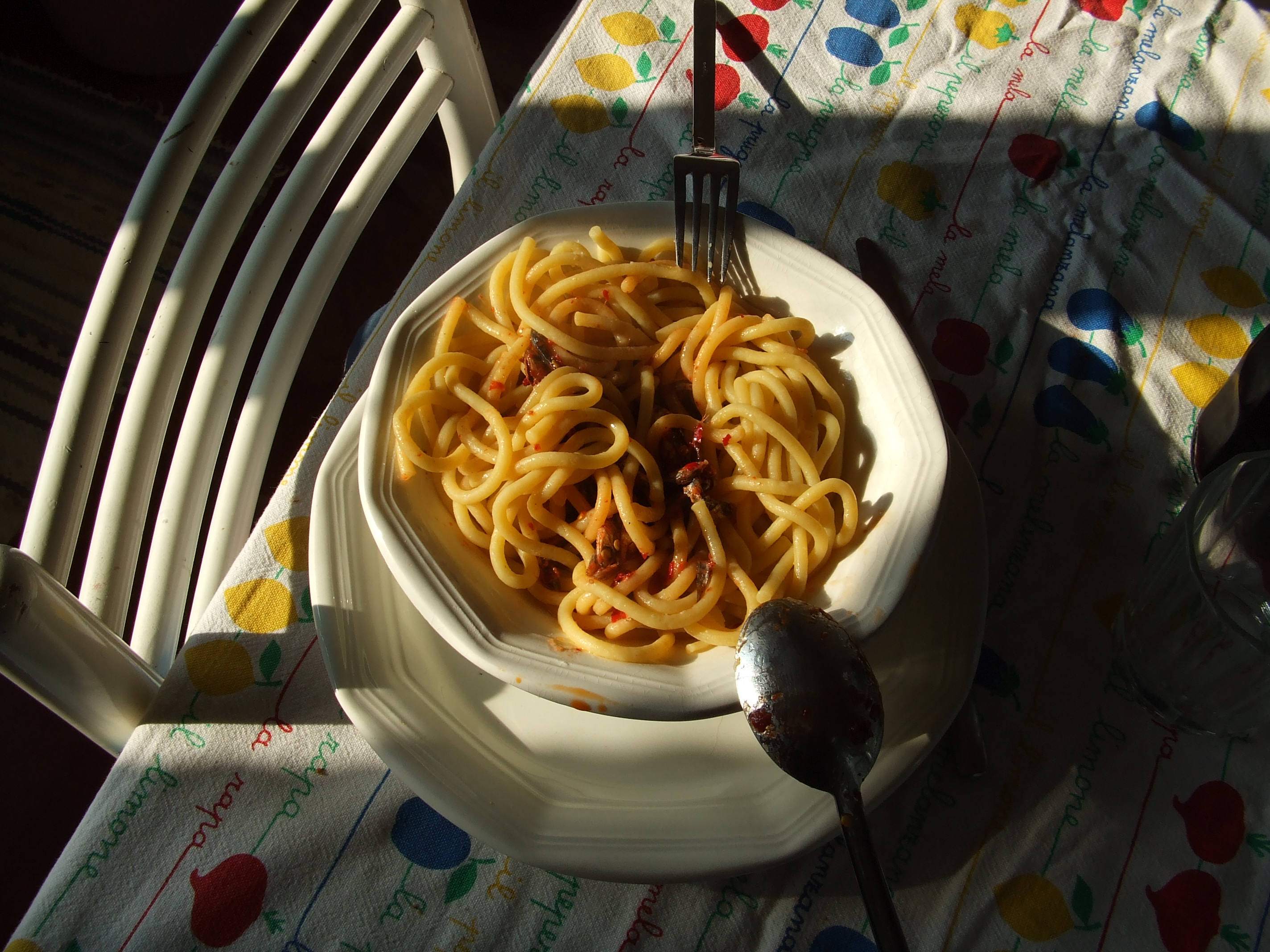
Bigoli in salsa
Thick whole-wheat spaghetti with a slow-cooked onion and salted fish sauce, traditional in the Veneto. Deeply savory and simple.
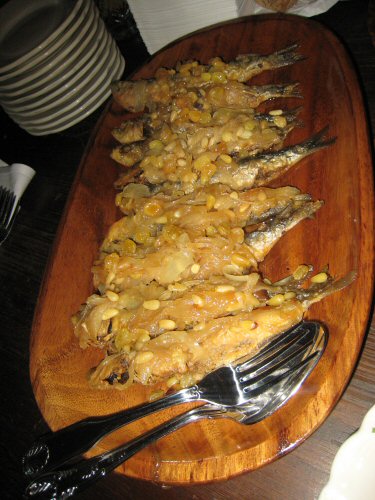
Cecina
Thin chickpea-flour flatbread from the Pisa area, baked until crisp at the edges. Often eaten plain or in a focaccia roll.
Pappa al pomodoro
Tuscan bread-and-tomato soup with garlic and basil. Comforting and thick, usually finished with good olive oil.
Ribollita
Hearty Tuscan soup of beans, cavolo nero, and day-old bread, reheated to deepen the flavor. Common in cooler months.
Bistecca alla fiorentina
Thick-cut T-bone steak grilled rare over high heat, typical around Florence. Best shared and kept simply seasoned.
Tortelli di zucca (Mantova)
Pasta parcels filled with pumpkin and amaretti, served with butter and sage. A signature dish as you head toward the Po Valley.
Risotto all'Amarone
Creamy risotto colored and scented by Amarone wine from Valpolicella near Verona. Rich but balanced with a savory finish.
Bigoli in salsa
Thick whole-wheat spaghetti with a slow-cooked onion and salted fish sauce, traditional in the Veneto. Deeply savory and simple.
Wines, beers and spirits to try
Vernaccia di San Gimignano (white wine)
Tuscan white with citrus and almond notes, often a faint saline edge. A classic match for seafood and pecorino.
Chianti Classico (Sangiovese)
Bright cherry, dried herbs, and firm acidity from the Chianti hills. Look for the black rooster seal.
Lambrusco di Sorbara
Pale, dry, lightly sparkling red from Emilia-Romagna with crisp red-fruit aromas. Best served well chilled with salumi.
Pignoletto (Colli Bolognesi)
Fresh, floral white from around Bologna, sometimes lightly sparkling. Easy with mortadella, tortellini, and aperitivo snacks.
Aperol Spritz (Veneto aperitivo)
A Venetian-style spritz with Aperol, prosecco, and soda. Bitter-orange and gently sweet, made for cicchetti.
Select Spritz (Venezia)
The local Venetian spritz, more herbal and bitter than Aperol. Often the house choice in bacari.
Prosecco Superiore (Conegliano-Valdobbiadene)
Fine-bubbled Glera from the Veneto hills, typically pear and white-flower. A step up in texture from basic prosecco.
Amaro Montenegro (Bologna)
Herbal, orange-tinged amaro created in Bologna. Common as a post-dinner digestivo, neat or with a twist of citrus.
Vernaccia di San Gimignano (white wine)
Tuscan white with citrus and almond notes, often a faint saline edge. A classic match for seafood and pecorino.
Chianti Classico (Sangiovese)
Bright cherry, dried herbs, and firm acidity from the Chianti hills. Look for the black rooster seal.
Lambrusco di Sorbara
Pale, dry, lightly sparkling red from Emilia-Romagna with crisp red-fruit aromas. Best served well chilled with salumi.
Pignoletto (Colli Bolognesi)
Fresh, floral white from around Bologna, sometimes lightly sparkling. Easy with mortadella, tortellini, and aperitivo snacks.
Aperol Spritz (Veneto aperitivo)
A Venetian-style spritz with Aperol, prosecco, and soda. Bitter-orange and gently sweet, made for cicchetti.
Select Spritz (Venezia)
The local Venetian spritz, more herbal and bitter than Aperol. Often the house choice in bacari.
Prosecco Superiore (Conegliano-Valdobbiadene)
Fine-bubbled Glera from the Veneto hills, typically pear and white-flower. A step up in texture from basic prosecco.
Amaro Montenegro (Bologna)
Herbal, orange-tinged amaro created in Bologna. Common as a post-dinner digestivo, neat or with a twist of citrus.
Sustainability
Travel lighter here
Venice rewards a lighter touch. The city sits on a fragile lagoon, and everyday things that feel simple on the mainland, like waste disposal, deliveries, and repairs, are more complex here. Plan to carry a refillable bottle, top up from public fountains when you can, and keep snacks and packaging to a minimum so you’re not hunting for bins in the busiest areas. Getting around is part of the experience, and it’s also the most practical way to reduce pressure on the historic center. Walk whenever possible, use vaporetti for longer hops, and consider starting early or exploring in the late afternoon when the main routes are calmer. Comfortable shoes matter: bridges and uneven paving slow everyone down, and taking your time helps you avoid bottlenecks on narrow calli. In warmer months, build in shade and water breaks and keep an eye on heat and sun reflecting off stone and water.
Better local choices
Use regional trains for the long hops
TransportPisa–Florence–Bologna–Venice is easiest by train. Book direct where possible and use city buses/trams on arrival instead of short taxi rides.
If driving, pick one EV and plan charging around towns
EV & rentalsCharge while you’re already stopped for lunch or a walk in larger towns, not in fragile historic cores. Choose accommodation with parking/charging to avoid extra loops.
Lean into seasonal, veg-forward dishes in trattorie
FoodOrder contorni and pasta/risotto with local vegetables (artichoke, radicchio, mushrooms, beans). Ask for “di stagione” to avoid out-of-season imports.
Refill from public fountains and carry one bottle
WaterMany towns have potable fountains; refill as you go and skip single-use bottles. In hotels, request towel/linen changes only when needed.
Sort waste the local way, especially in apartments
WasteRecycling rules vary by city. Check the bin labels in your stay and separate paper, glass, and organics; avoid leaving mixed bags on the street.
Respect lagoon and river edges—watch wildlife from a distance
NatureIn wetlands and along canals, keep to paths and quiet voices. Don’t feed birds or fish; it changes behavior and water quality.
Venetian Lagoon
Time walks for cooler hours and reduce A/C demand
ClimateIn warm months, sightsee early and late, rest midday, and use shade and museums. Set A/C moderately and close shutters to keep rooms cool.
Choose stays near stations to cut transfers
StayIn Florence, Bologna, and Venice, staying close to the main station reduces taxi use and luggage hauling. Look for places that provide refill water and recycling.
Common mistakes to avoid
Mistake
Instead
Mistake
Trying to squeeze in too many stops between Pisa and Venezia.
Instead
Keep transfers simple and leave at least half a day for unplanned wandering.
Mistake
Arriving at major sights late morning and expecting quiet streets.
Instead
Start early for landmarks and use afternoons for museums, markets, and slower neighborhoods.
Mistake
Booking accommodation far from the center to save a little money.
Instead
Stay central to cut transit time and make evenings easy on foot.
Mistake
Treating Venice like a day trip at the end of the journey.
Instead
Give Venice a full day and focus on one or two areas like Dorsoduro.
Mistake
Assuming you can always buy transport tickets on the spot without delays.
Instead
Buy tickets in advance when possible and validate them before boarding.
Mistake
Planning long museum blocks back-to-back without breaks.
Instead
Alternate one key museum with a walk, a church, or a long lunch to keep the pace steady.
FAQ
Is 5 days enough for a Pisa to Venice itinerary without rushing?
+−
Yes, if you keep stops focused and start mornings early for major sights, then use afternoons for museums and wandering. This route works best with short, direct transfers.
What’s the best time of year for a Pisa to Venezia journey?
+−
Spring and autumn are ideal for comfortable walking and lighter crowds. Summer is lively but hotter and busier, while winter is quieter and cooler.
Should I travel by train or rent a car for this itinerary?
+−
Trains are usually the simplest between these cities and reduce parking stress. A car can help for detours, but historic centers often have restricted traffic zones.
How many nights should I spend in Venice at the end of the trip?
+−
Aim for at least two nights if you can, so you get one full day plus an unhurried arrival or departure. Venice rewards slower pacing, especially in quieter districts.
Where should first-time visitors stay in Venice for a calmer base?
+−
Dorsoduro is a good pick for a more local feel while staying walkable to major sights. Choose a place near a vaporetto stop to simplify arrivals with luggage.
Related guides