
3-Day Cultural & Culinary Rhythm – itinerary & what to do
A calm 3-day Thessaloniki itinerary exploring markets, neighborhoods, food culture and wine. Practical tips, seasonal advice and local insights for slow travelers.

Thessaloniki rewards travelers who aren't afraid of slowing down.
Greece’s second-largest city combines Roman monuments, Byzantine churches, Ottoman neighborhoods and a vibrant student culture. Markets still operate in streets where merchants have traded for centuries, and cafés remain one of the city’s most important social spaces.
Rather than rushing between monuments, this guide explores Thessaloniki through neighborhood walks, food culture and everyday life.
Quick facts
• Country: Greece • Region: Central Macedonia • Population: ~1 million metropolitan area • Best known for: cuisine, Byzantine heritage, student culture • UNESCO monuments: 15 Early Christian & Byzantine sites • Local specialty: bougatsa pastry and meze culture • Best months to visit: April–June and September–October
Best for
Why visit
Thessaloniki offers something rare in Mediterranean travel:
It's a major historic city that still functions primarily for its residents, not just tourism.
This creates a richer experience:
• markets used daily by locals • bakeries and cafés full of students and families • a food culture shaped by Greek, Jewish and Asia Minor traditions • historic layers from Roman to Ottoman times
Travelers often find the city more relaxed and authentic than Athens, yet equally rich culturally.
For food lovers especially, Thessaloniki is widely considered Greece’s culinary capital.
How to get there
Destination: Thessaloniki Airport (SKG) The airport serves most major European cities. Typical flight times: Athens → 50 minutes Rome → 1 hour 40 minutes Vienna → 1 hour 30 minutes Context: The airport is located about 15 km southeast of the city center. Taxi to center: 25–35 minutes. Bus option: Public bus 01X connects the airport to the city center and operates 24 hours, often supplemented by the 01N night bus.
Seasonal
Jan
4°C67.5mm
7d
215.2h
Feb
7°C42.4mm
7d
214.8h
Mar
10°C76.3mm
10d
270.8h
Apr
15°C62.1mm
9d
321.2h
May
19°C67.6mm
9d
361.9h
Jun
25°C46.3mm
7d
408.8h
Jul
27°C33.7mm
3d
424h
Aug
27°C27.7mm
4d
393.6h
Sep
22°C37.7mm
5d
324.3h
Oct
17°C46.7mm
5d
272.4h
Nov
12°C90.7mm
9d
201.4h
Dec
6°C77.5mm
7d
205.8h
Jan
4°C67.5mm
7d
215.2h
Feb
7°C42.4mm
7d
214.8h
Mar
10°C76.3mm
10d
270.8h
Apr
15°C62.1mm
9d
321.2h
May
19°C67.6mm
9d
361.9h
Jun
25°C46.3mm
7d
408.8h
Jul
27°C33.7mm
3d
424h
Aug
27°C27.7mm
4d
393.6h
Sep
22°C37.7mm
5d
324.3h
Oct
17°C46.7mm
5d
272.4h
Nov
12°C90.7mm
9d
201.4h
Dec
6°C77.5mm
7d
205.8h
How to read these seasonal expectations
Teravia calculates each month from daily historical weather data for this location across the latest complete ten-year reference period. The cards summarise typical temperatures, precipitation, rainy days and sunshine to help compare seasons. They are planning context, not a forecast for a particular trip.
Weather data by Open-Meteo.com · CC BY 4.0 · Aggregated by Teravia
Crowd patterns
Peak periods: • summer weekends • major festivals • university term start in autumn Quiet windows: • weekday mornings • early afternoon market hours
Get prepared
Before you go - a quick cultural and practical layer.
Essentials
- - Comfortable walking shoes
Seasonal
- - Windbreaker
What to do
Day 1: Old Thessaloniki
Start with a walk along the waterfront near the White Tower.
Continue to Ano Poli, the city’s upper town, where Ottoman-era houses and Byzantine walls survived the great fire of 1917.
Highlights:
• panoramic views of the Thermaic Gulf • quiet neighborhood cafés • historic churches and city walls
Lunch in a traditional taverna.
Afternoon:
Explore Kapani and Modiano markets.
Evening:
Dinner in Ladadika, a former warehouse district now filled with restaurants and wine bars.
Day 2: Food culture
Morning:
Bakery breakfast.
Try bougatsa pastry or koulouri bread.
Food walk through delicatessens and markets.
Lunch:
Traditional meze meal featuring dishes influenced by Asia Minor refugees.
Afternoon:
Visit the Rotunda and nearby monuments.
Coffee stop in one of the city’s famous cafés.
Evening:
Wine bar experience highlighting northern Greek varieties.
Day 3 — Northern Greece landscapes
Option 1: Wine country
Naoussa region.
Known for the Xinomavro grape and mountain vineyards.
Activities:
vineyard walk wine tasting lunch in the countryside
Option 2: Halkidiki coast
Short coastal escape.
Swimming and seafood lunch before returning to the city.
Food scene
Dishes to try
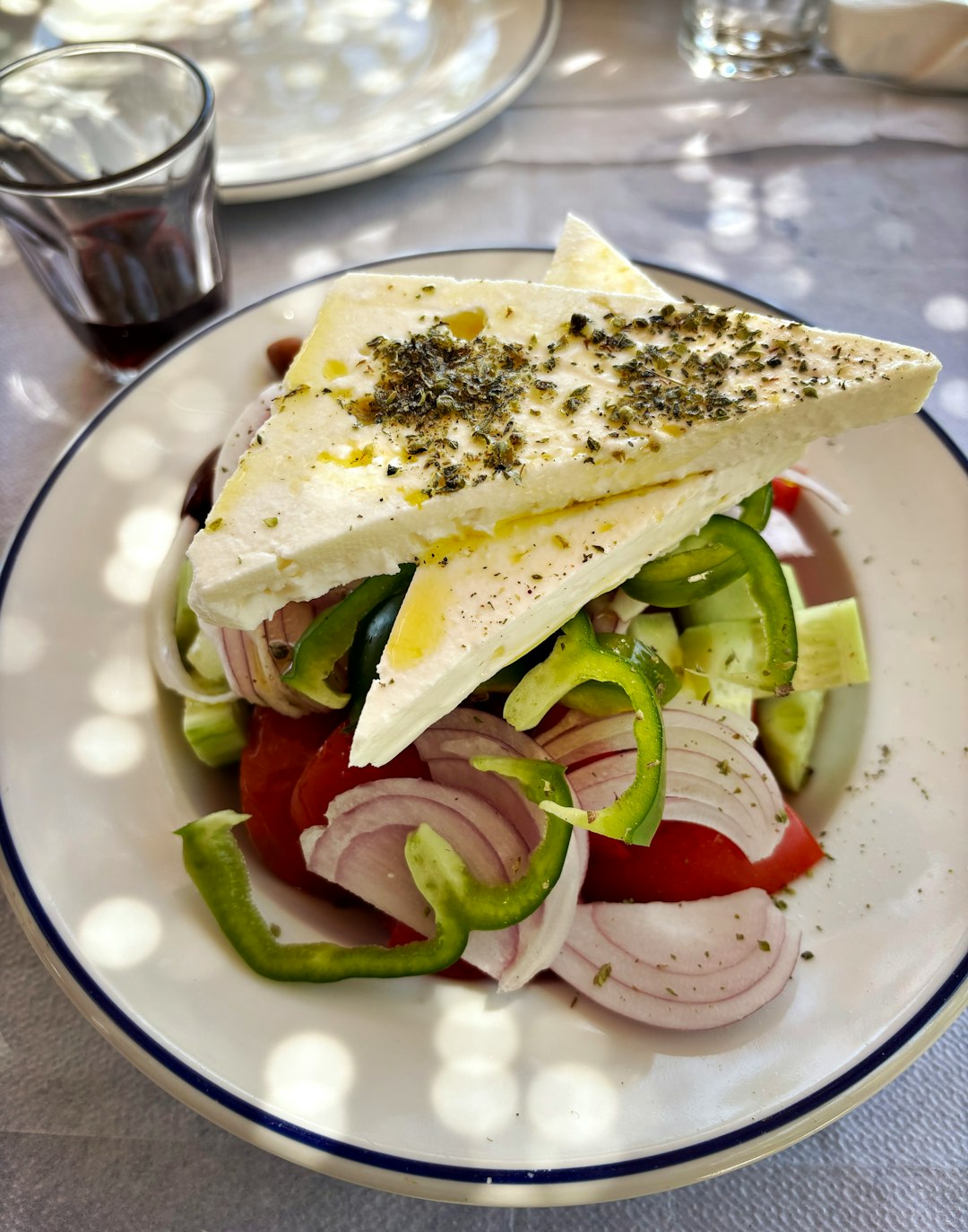
Horiatiki (Greek village salad)
Tomato, cucumber, onion, olives, and feta with oregano and olive oil. Best in summer when the tomatoes are at their peak.
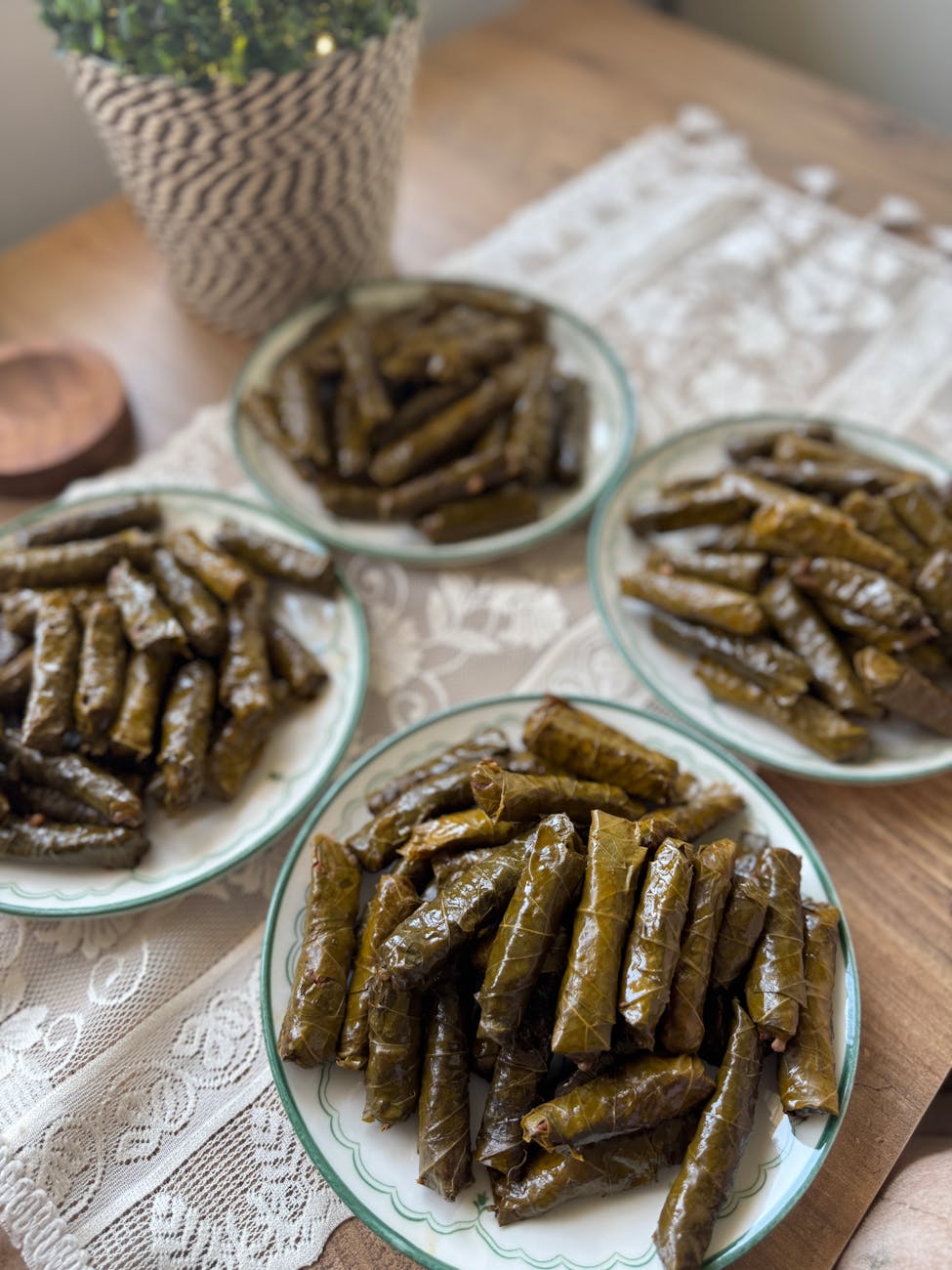
Dolmadakia (stuffed vine leaves)
Vine leaves wrapped around rice and herbs, sometimes with pine nuts. Served chilled with lemon or warm with avgolemono.
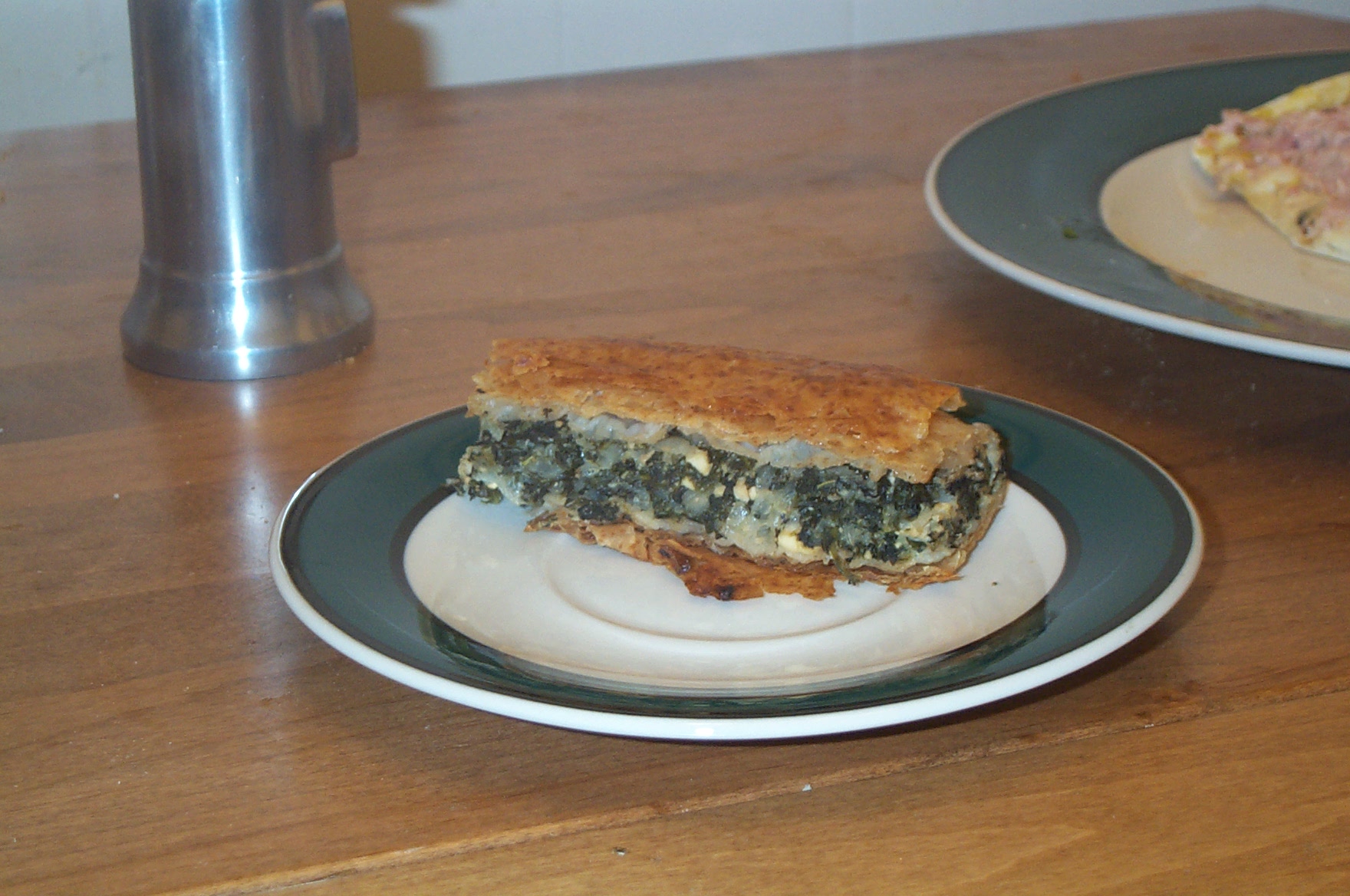
Spanakopita
Flaky phyllo pie filled with spinach, herbs, and feta. A classic bakery staple, especially good fresh from the oven.
Photo credit: Wikimedia Commons · CC BY-SA 2.0 · Source
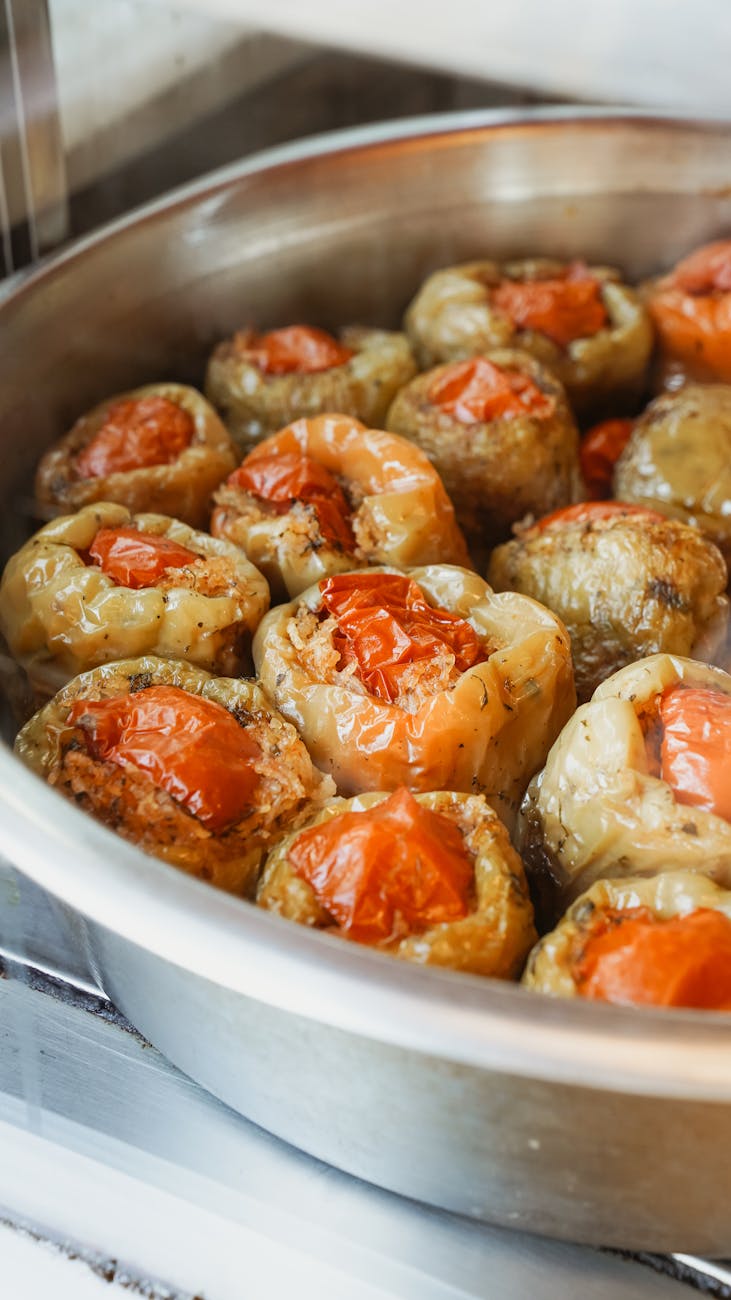
Gemista (stuffed tomatoes & peppers)
Tomatoes and peppers filled with herbed rice, sometimes with minced meat. Usually baked with potatoes and plenty of olive oil.
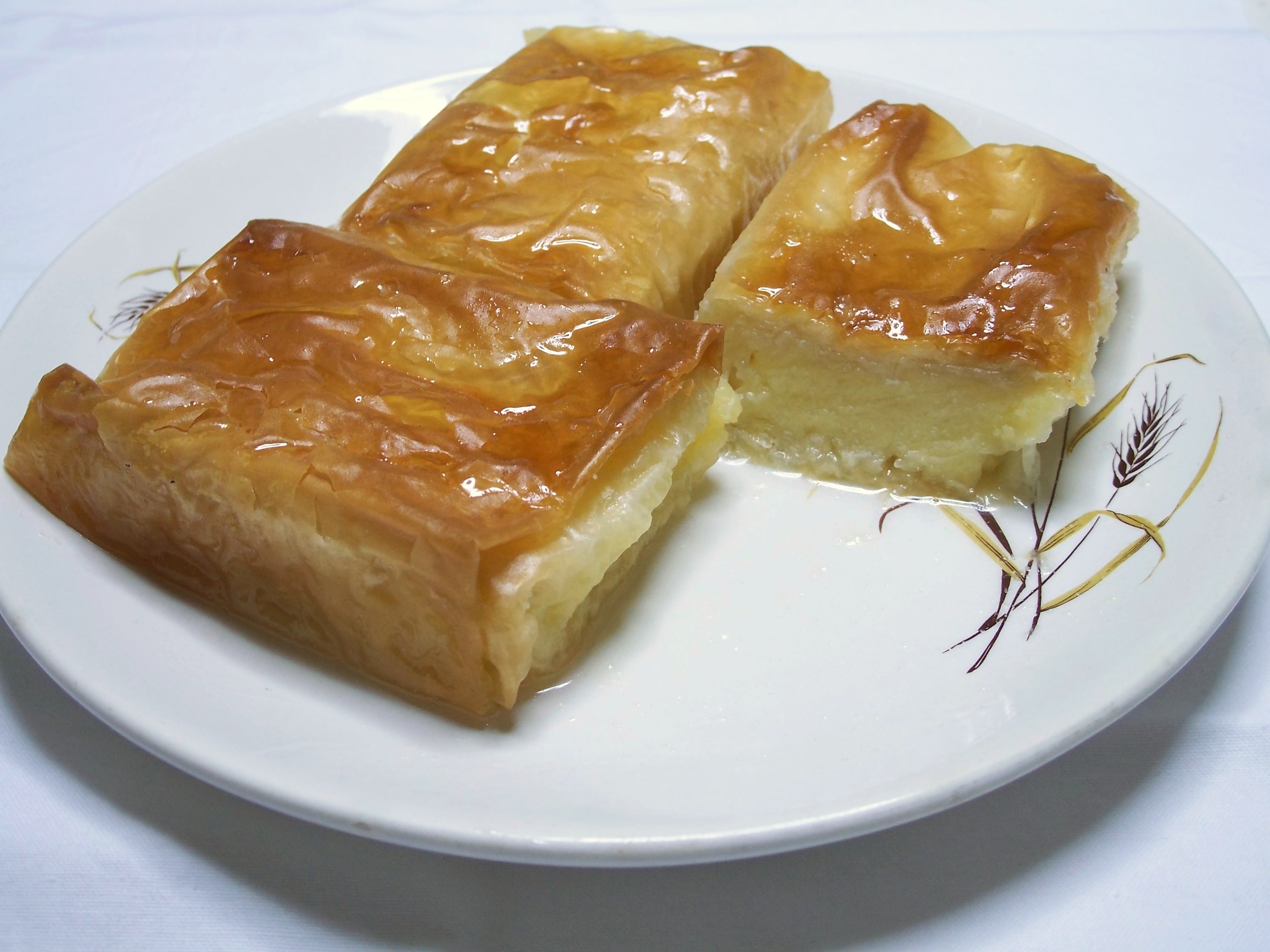
Galaktoboureko
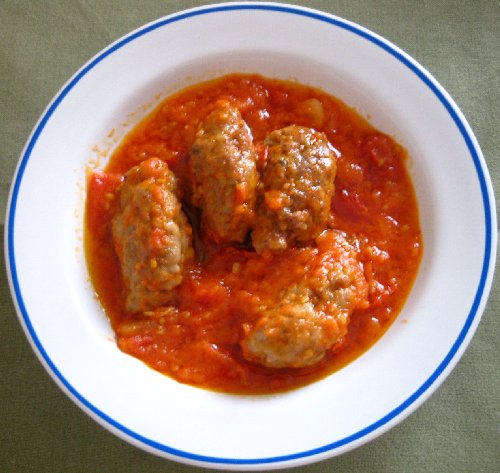
Soutzoukakia
Smyrna meatballs, known as soutzoukakia Smyrneika, is a Greek and Turkish dish of spicy oblong meatballs with cumin and garlic served in tomato sauce.
Dish
—
Dish
—
Dish
—
Horiatiki (Greek village salad)
Tomato, cucumber, onion, olives, and feta with oregano and olive oil. Best in summer when the tomatoes are at their peak.
Dolmadakia (stuffed vine leaves)
Vine leaves wrapped around rice and herbs, sometimes with pine nuts. Served chilled with lemon or warm with avgolemono.
Spanakopita
Flaky phyllo pie filled with spinach, herbs, and feta. A classic bakery staple, especially good fresh from the oven.
Photo credit: Wikimedia Commons · CC BY-SA 2.0 · Source
Gemista (stuffed tomatoes & peppers)
Tomatoes and peppers filled with herbed rice, sometimes with minced meat. Usually baked with potatoes and plenty of olive oil.
Galaktoboureko
Soutzoukakia
Smyrna meatballs, known as soutzoukakia Smyrneika, is a Greek and Turkish dish of spicy oblong meatballs with cumin and garlic served in tomato sauce.
Dish
—
Dish
—
Dish
—
Wines, beers and spirits to try
Assyrtiko (Santorini)
Crisp, saline white from volcanic soils; citrus and mineral notes. Excellent with grilled fish and meze.
Xinomavro (Naoussa)
Structured red with tomato leaf, olives, and sour cherry. Often compared to Nebbiolo in tannin and aging potential.
Moschofilero (Mantinia)
Aromatic, refreshing white with rose, lime, and spice. Commonly enjoyed as a bright aperitif.
Retsina
Traditional pine-resin wine, usually light and dry. Best with taverna dishes like fried fish, salads, and feta.
Ouzo
Aniseed spirit served with water and ice, turning milky. A classic companion to seafood and small plates.
Tsipouro (with or without anise)
Grape pomace spirit, often sipped with meze in northern Greece. Versions range from clean and fruity to anise-scented.
Mastiha liqueur (Chios)
Clear, gently sweet liqueur flavored with mastic resin. Served chilled as a digestif or in simple cocktails.
Tentura (Patras)
Spiced liqueur with cinnamon, clove, and nutmeg, traditionally from Patras. Smooth after dinner, sometimes over ice.
Assyrtiko (Santorini)
Crisp, saline white from volcanic soils; citrus and mineral notes. Excellent with grilled fish and meze.
Xinomavro (Naoussa)
Structured red with tomato leaf, olives, and sour cherry. Often compared to Nebbiolo in tannin and aging potential.
Moschofilero (Mantinia)
Aromatic, refreshing white with rose, lime, and spice. Commonly enjoyed as a bright aperitif.
Retsina
Traditional pine-resin wine, usually light and dry. Best with taverna dishes like fried fish, salads, and feta.
Ouzo
Aniseed spirit served with water and ice, turning milky. A classic companion to seafood and small plates.
Tsipouro (with or without anise)
Grape pomace spirit, often sipped with meze in northern Greece. Versions range from clean and fruity to anise-scented.
Mastiha liqueur (Chios)
Clear, gently sweet liqueur flavored with mastic resin. Served chilled as a digestif or in simple cocktails.
Tentura (Patras)
Spiced liqueur with cinnamon, clove, and nutmeg, traditionally from Patras. Smooth after dinner, sometimes over ice.
PUBLISHED WITH TERAVIA
This guide was created by an approved Teravia curator and published inside Teravia’s structured travel studio.
Teravia provides the technical foundation, including live maps and continuously updated place data. The perspective, sequencing, and recommendations belong to the curator.
No static downloads. No fixed itineraries. Structured. Reviewed. Designed to last.
To explore more curated journeys or understand Teravia’s standards, visit the About section.
Related guides