
Embark on a mesmerizing three-day journey from the bustling heart of Marrakech to the tranquil Atlas Foothills, a trip that promises to captivate your senses and stir your soul. This is a voyage for the curious traveler, eager to explore the rich tapestry of Morocco's cultural and natural wonders. In Marrakech, feel the pulse of the city as you delve into its vibrant souks, where artisans craft their wares and the air is thick with the aromas of exotic spices. As night falls, the city transforms into a magical tapestry of stories and sounds in Jemaa el-Fnaa Square, a place where tradition meets the contemporary.
On your second day, leave behind the city’s lively bustle and venture towards the grandeur of the Atlas Mountains. The journey itself is a spectacle, with the road winding through dramatic landscapes and historic sites like Aït Benhaddou and the Tizi n'Tichka Pass. Each stop reveals a new facet of Morocco’s storied past and breathtaking natural beauty. The ancient kasbahs echo with tales of bygone eras, their walls standing as silent witnesses to history.
As you reach the Atlas Foothills, you’ll find a world apart, where the air is crisp and the pace of life slows to a gentle rhythm. Here, the towering peaks cradle serene valleys, dotted with quaint villages. It’s a place to reconnect with nature and find solace in the simplicity of rural life. The Ouirgane Valley offers trails that wind through lush orchards and terraced fields, providing a perfect backdrop for reflection and rejuvenation.
This itinerary is designed for those who relish both adventure and introspection. It’s for travelers who seek an authentic encounter with Morocco's diverse landscapes and cultures, moving at a pace that allows for both discovery and relaxation. You’ll leave with a deeper appreciation of the harmony between man and nature, and the enduring allure of Morocco’s majestic landscapes. Let this guide be your companion as you navigate the rich experiences and hidden gems along the way.
Best for
Why visit
Marrakech to the Atlas Foothills is the kind of three-day journey that changes pace without feeling like a checklist. You begin in the city’s sensory rush, where mornings in the medina and evenings around Jemaa el-Fnaa make it easy to lean into Morocco’s energy, then slip away toward quieter horizons. It’s a satisfying contrast for travelers who want both culture and breathing room, with enough time to linger rather than sprint.
The drive itself is part of the appeal, trading palm-lined streets for rugged mountain scenery and old kasbah country. Along the way, places like Aït Benhaddou and Telouet add texture and history, while the shifting views keep the day feeling like a true passage rather than a transfer. If you enjoy landscapes that unfold gradually and stops that feel rooted in place, this route delivers.
In the foothills, the mood softens. Think terraced fields, orchards, and village life in valleys like Ouirgane, with Imlil offering a calm base where the mountains set the rhythm of the day. It suits hikers and slow travelers alike, especially if you like early starts, unhurried afternoons, and evenings that feel simple and restorative.
Get prepared
Before you go - a quick cultural and practical layer.
Essentials
- Breathable tops
- lightweight trousers
- comfortable walking shoes
- sun hat
- sunglasses
Seasonal
- Light jacket for cool evenings
- warm layer for higher altitudes
- packable rain shell for spring/autumn
- insulating fleece for winter
- quick-dry hiking socks
Respectful
- Long trousers or skirt
- tops covering shoulders
- light scarf for village visits
- modest swimwear cover-up
Continue
Continue this guide in teravia
We'll prefill the destination. You shape it to your preferences.
Food scene
Dishes to try
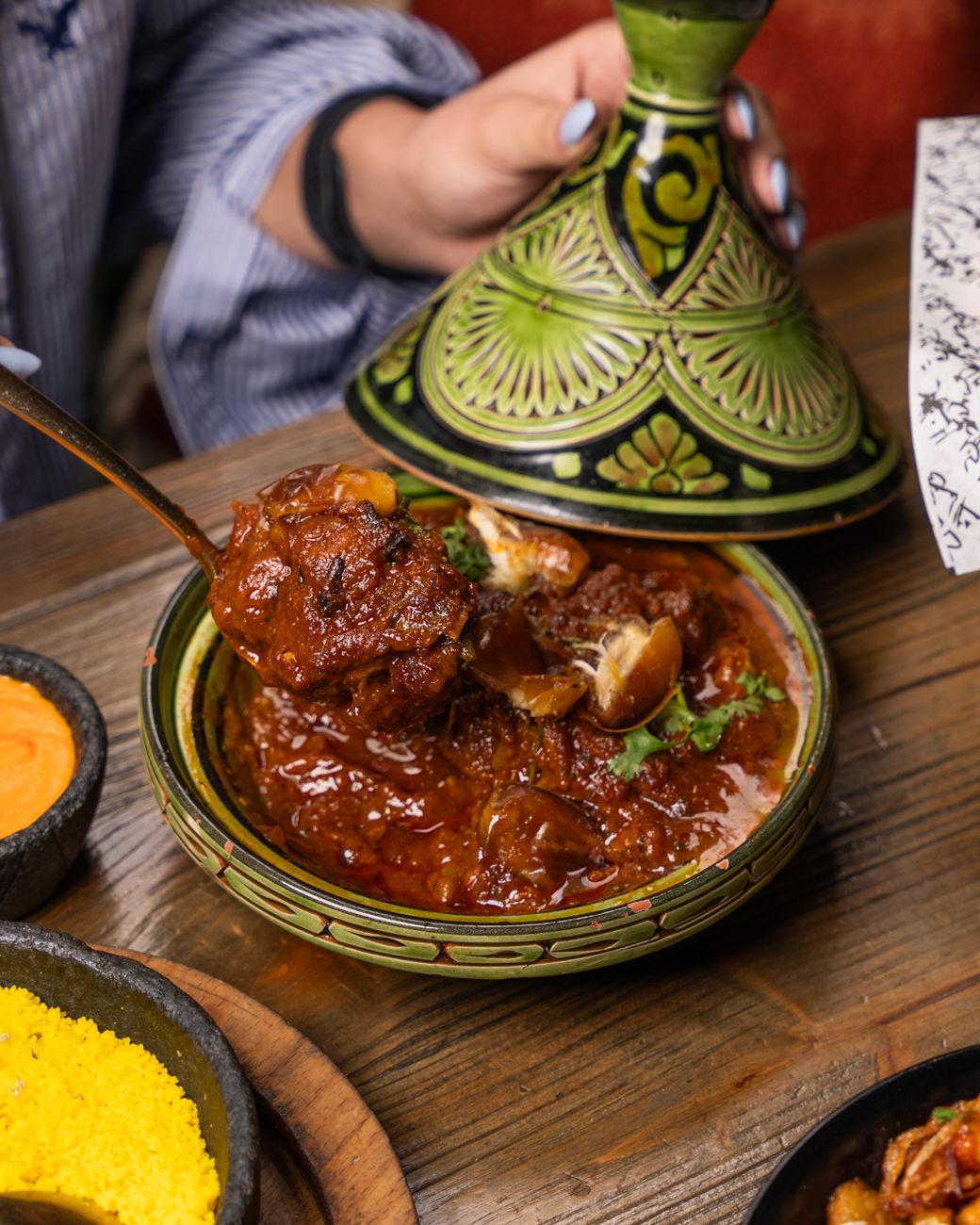
Tanjia Marrakchia
Slow-cooked lamb or beef with preserved lemon, cumin, and garlic, traditionally baked in a clay jar in Marrakech.
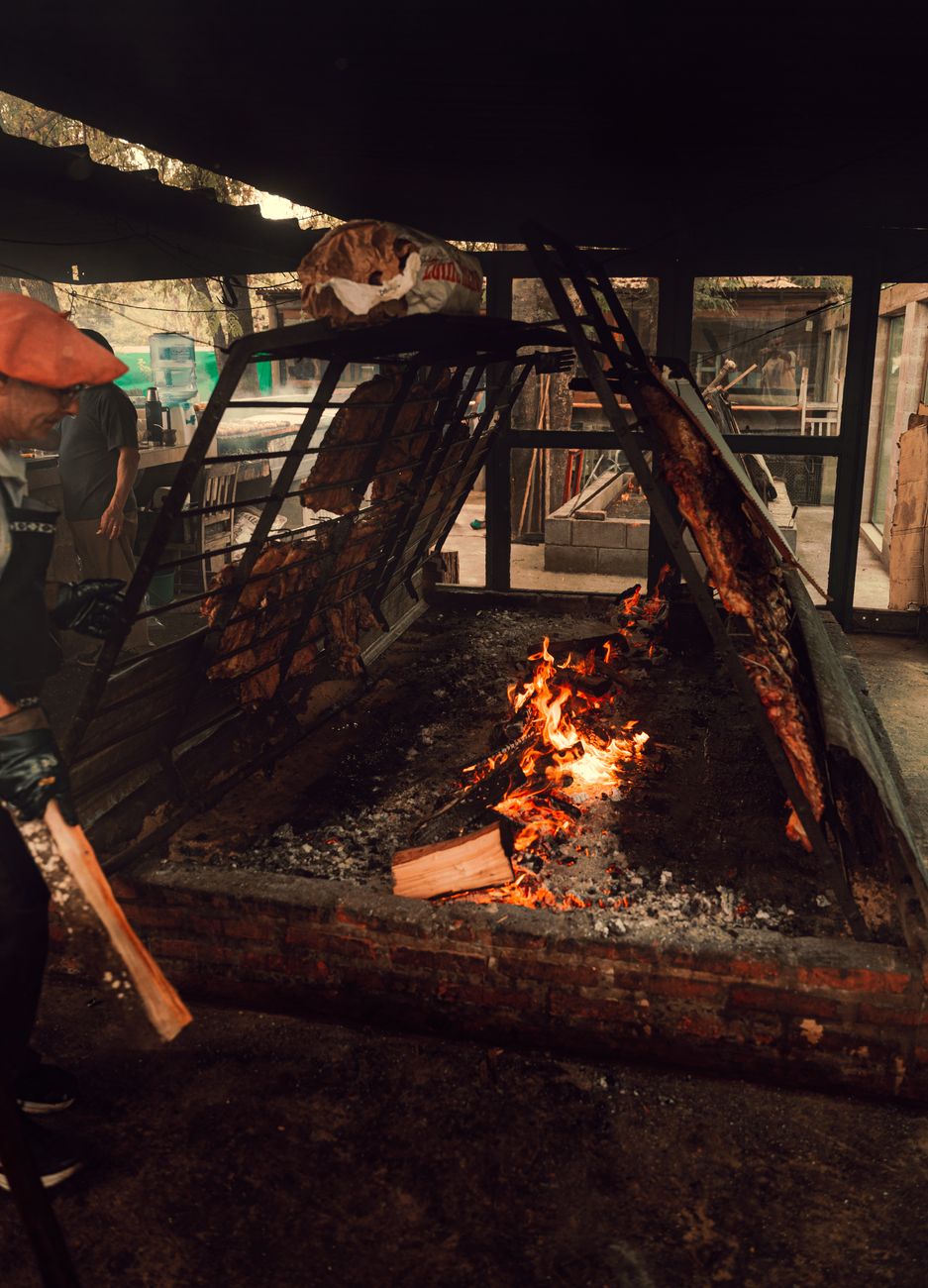
Mechoui (slow-roasted lamb)
Whole lamb roasted until tender, often served simply with cumin and salt; common at weekend markets and family tables.
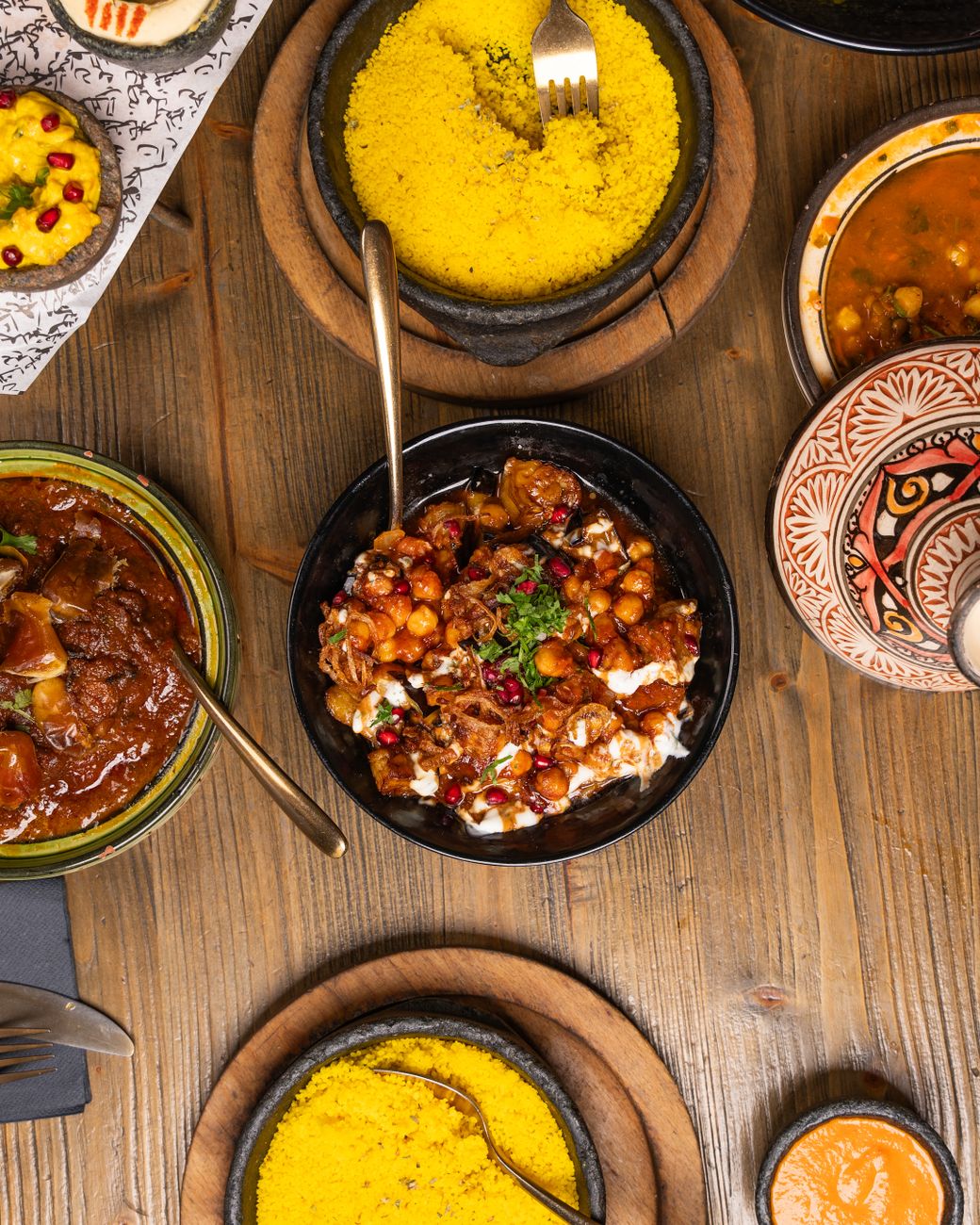
Tangia with smen and ras el hanout
A richer take on Marrakech tangia, scented with aged butter and spice blend; deeply savory and aromatic.
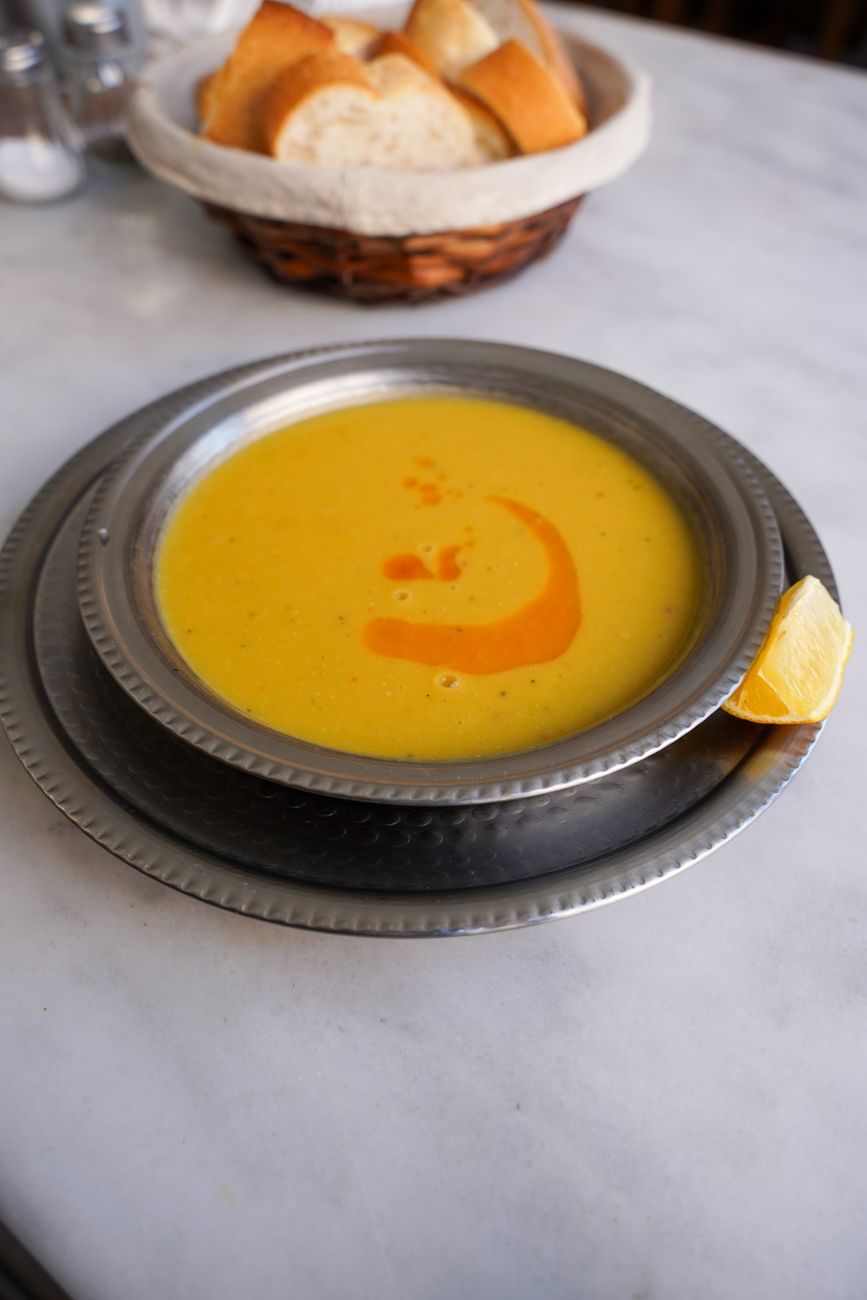
Bissara soup
Thick fava bean soup finished with olive oil, cumin, and paprika; a warming staple in cooler Atlas foothill mornings.
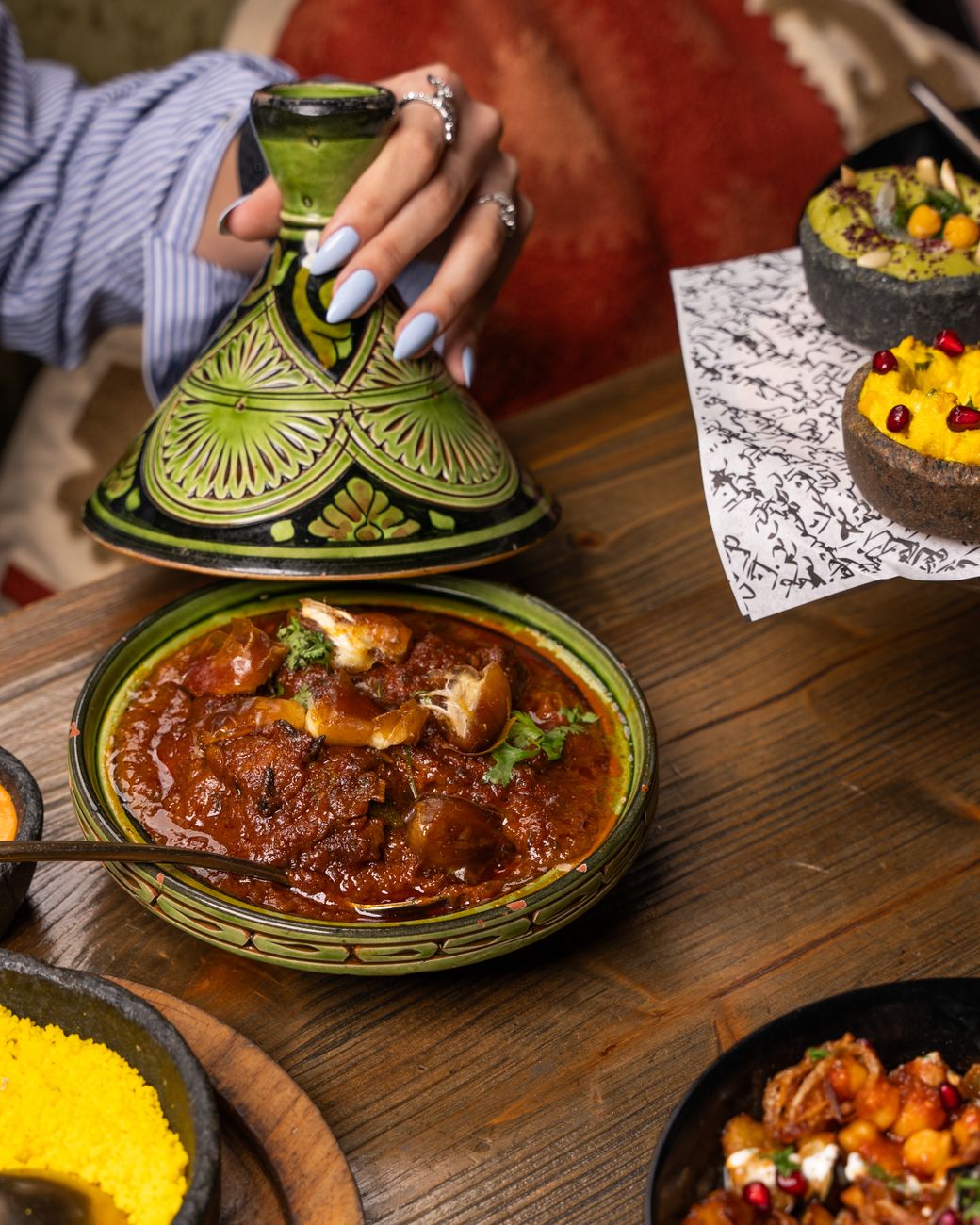
Berber tagine with prunes and almonds
Tagine of meat and onions cooked down with prunes, toasted almonds, and warm spices; sweet-salty and comforting.
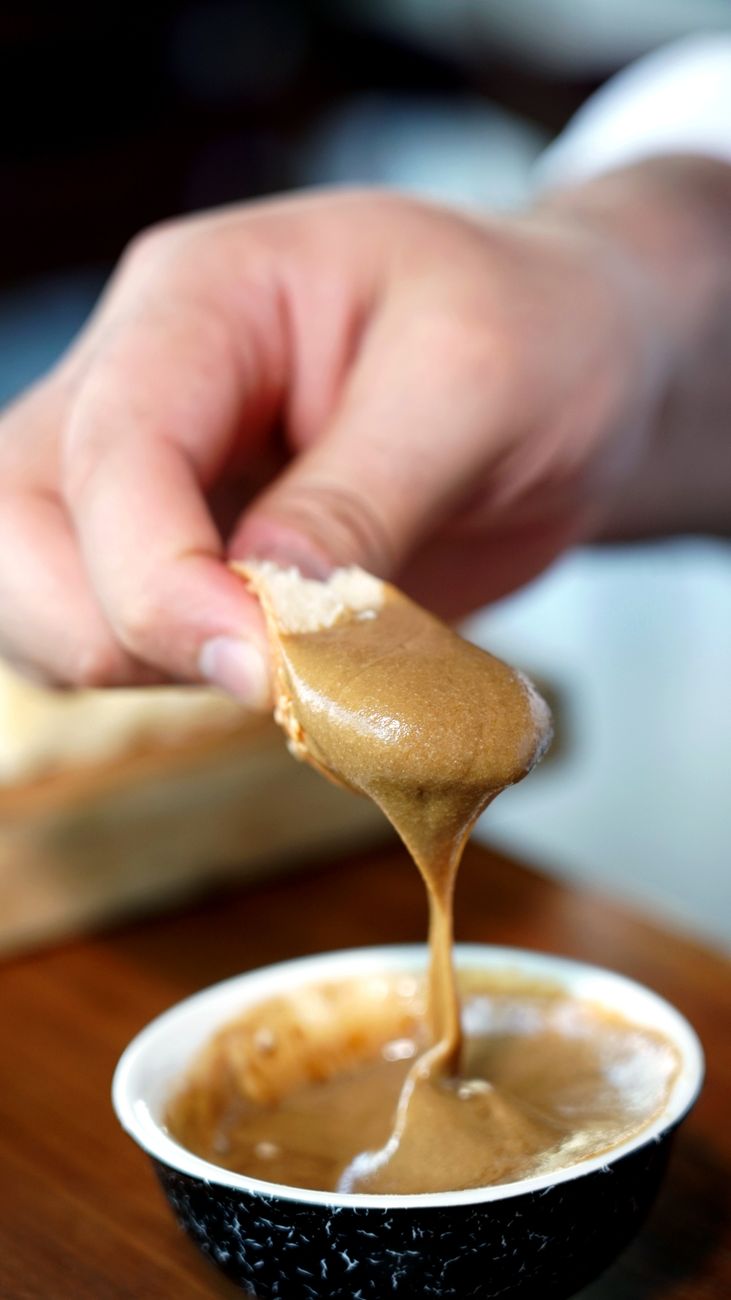
Amlou
Atlas spread of roasted almonds, argan oil, and honey; usually eaten with bread at breakfast or with mint tea.
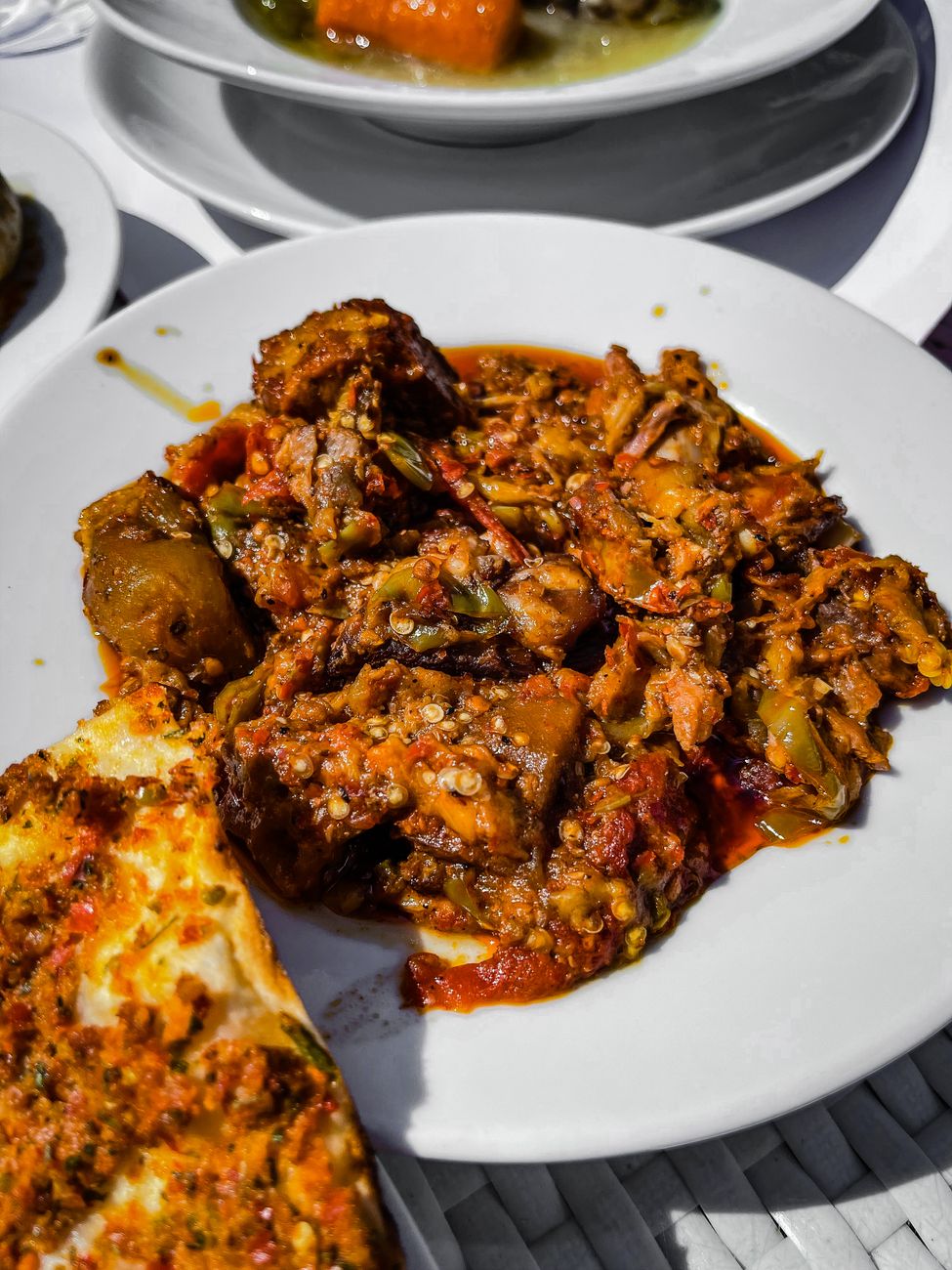
Rfissa
Shredded msemen or trid layered with chicken, lentils, and fenugreek broth; hearty and fragrant.
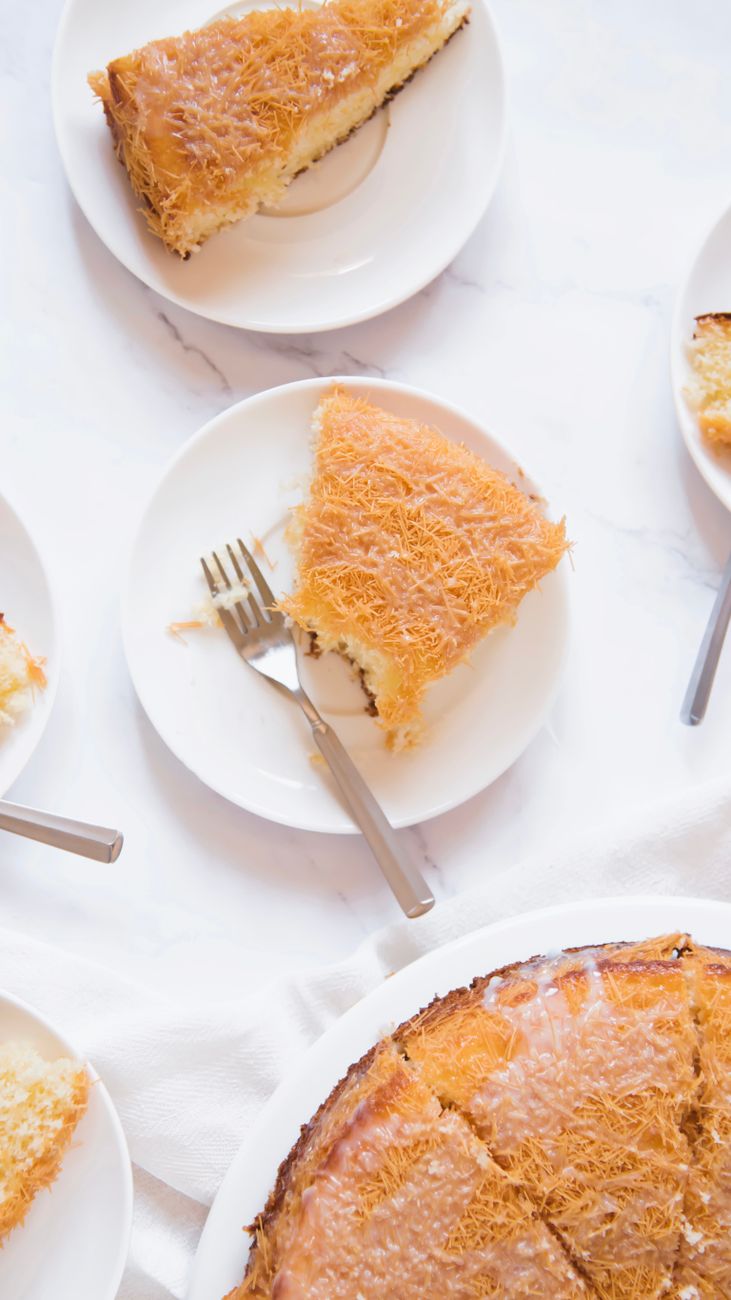
Seffa medfouna
Steamed vermicelli or couscous topped with cinnamon and sugar, hiding a savory chicken or lamb filling underneath.
Tanjia Marrakchia
Slow-cooked lamb or beef with preserved lemon, cumin, and garlic, traditionally baked in a clay jar in Marrakech.
Mechoui (slow-roasted lamb)
Whole lamb roasted until tender, often served simply with cumin and salt; common at weekend markets and family tables.
Tangia with smen and ras el hanout
A richer take on Marrakech tangia, scented with aged butter and spice blend; deeply savory and aromatic.
Bissara soup
Thick fava bean soup finished with olive oil, cumin, and paprika; a warming staple in cooler Atlas foothill mornings.
Berber tagine with prunes and almonds
Tagine of meat and onions cooked down with prunes, toasted almonds, and warm spices; sweet-salty and comforting.
Amlou
Atlas spread of roasted almonds, argan oil, and honey; usually eaten with bread at breakfast or with mint tea.
Rfissa
Shredded msemen or trid layered with chicken, lentils, and fenugreek broth; hearty and fragrant.
Seffa medfouna
Steamed vermicelli or couscous topped with cinnamon and sugar, hiding a savory chicken or lamb filling underneath.
Wines, beers and spirits to try
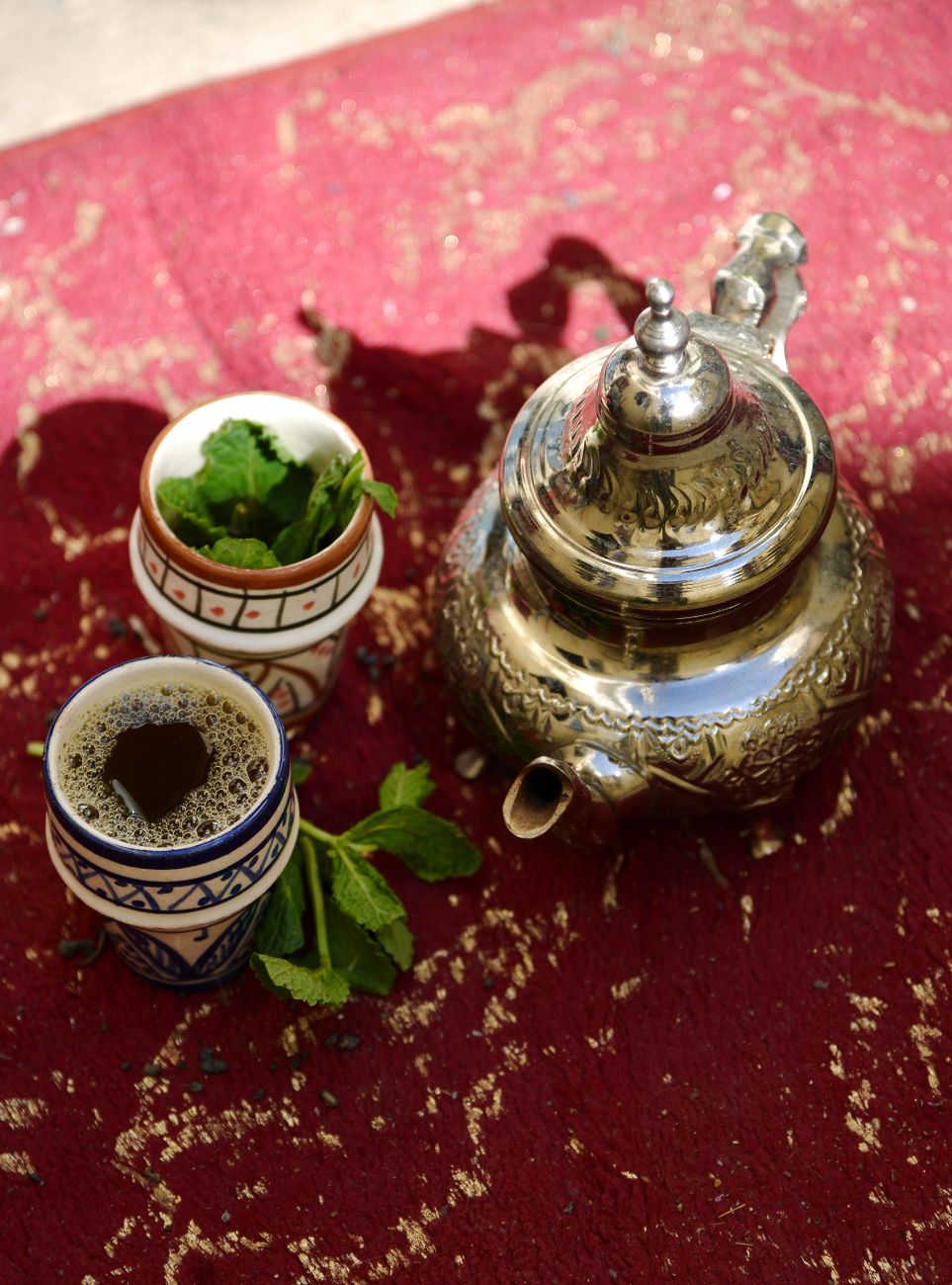
Moroccan mint tea (atay b’naanaa)
Green tea poured from height with fresh mint and sugar. A daily ritual in Marrakech and villages across the Atlas foothills.
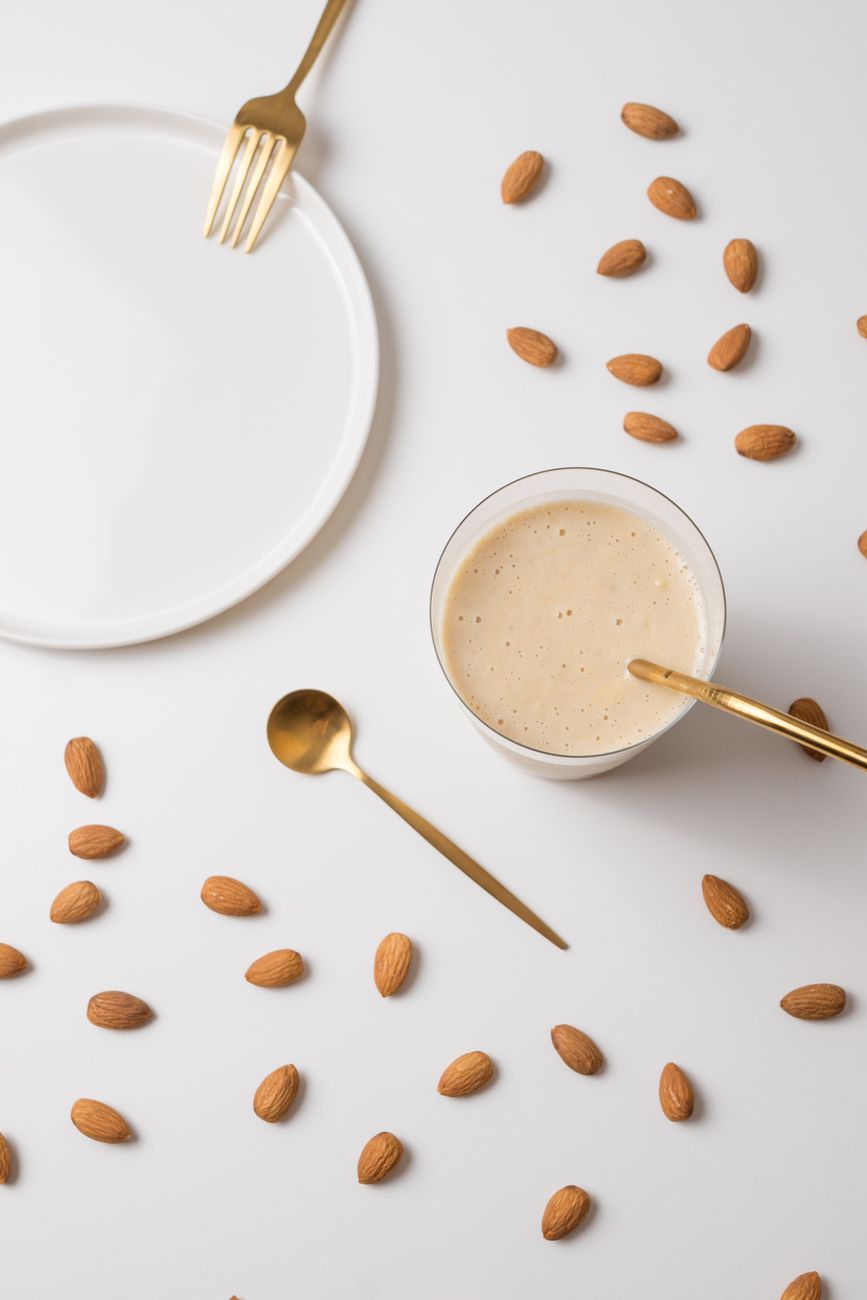
Amlou smoothie (almond–argan–honey)
A rich Berber blend often thinned with milk or yogurt into a drink. Nutty, lightly sweet, and common around the Souss and Atlas.

Fresh orange juice (jus d’orange)
Pressed to order at Marrakech stalls and cafés. Bright, simple, and best in the morning or late afternoon.
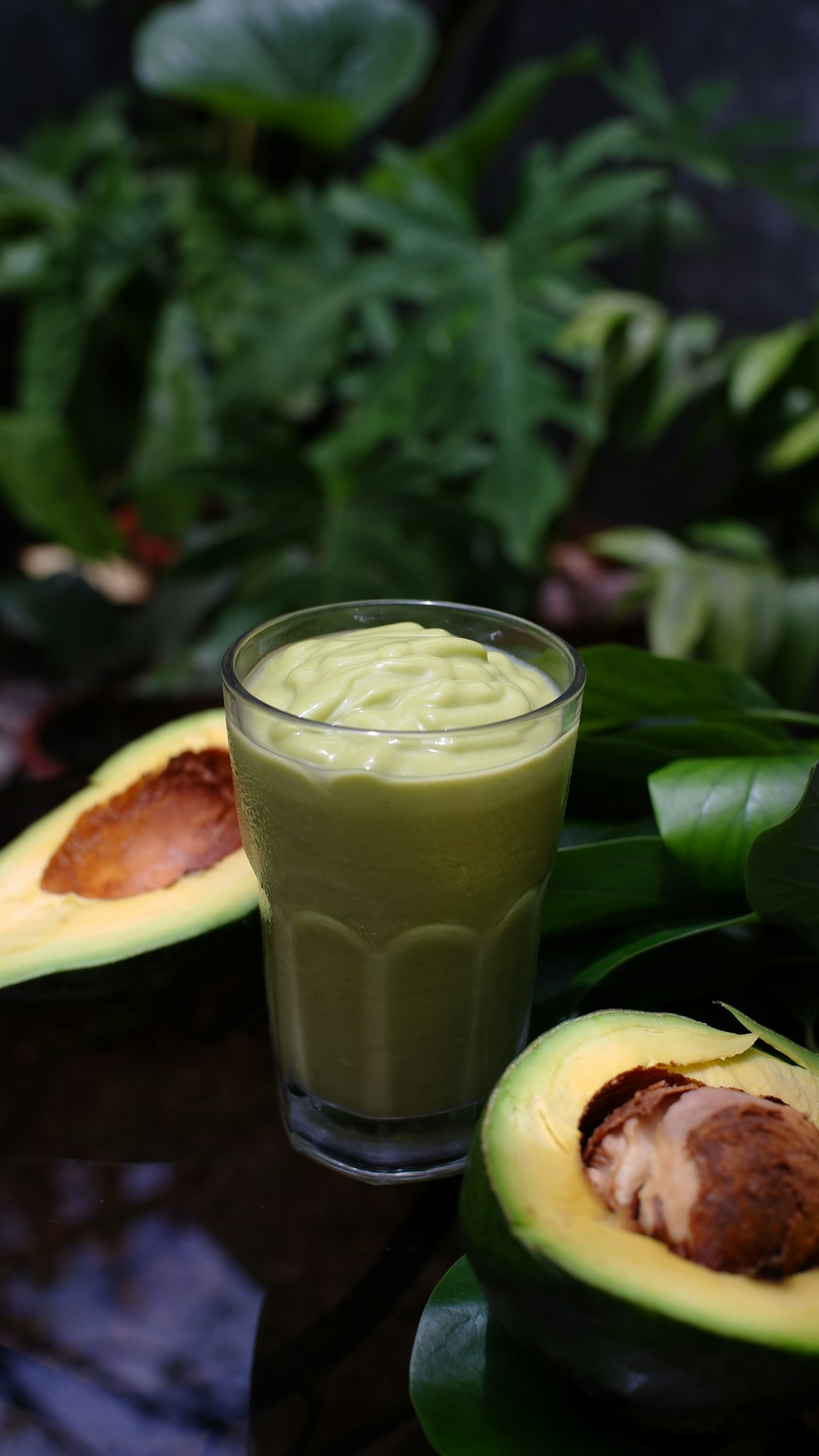
Avocado–date milkshake (jus d’avocat)
Thick avocado shake, often with dates, almonds, or orange blossom. A popular café drink in Marrakech.
Mahia fig spirit
Traditional Moroccan fig spirit, sometimes associated with Jewish Moroccan heritage. Strong and aromatic, usually served as a digestif.
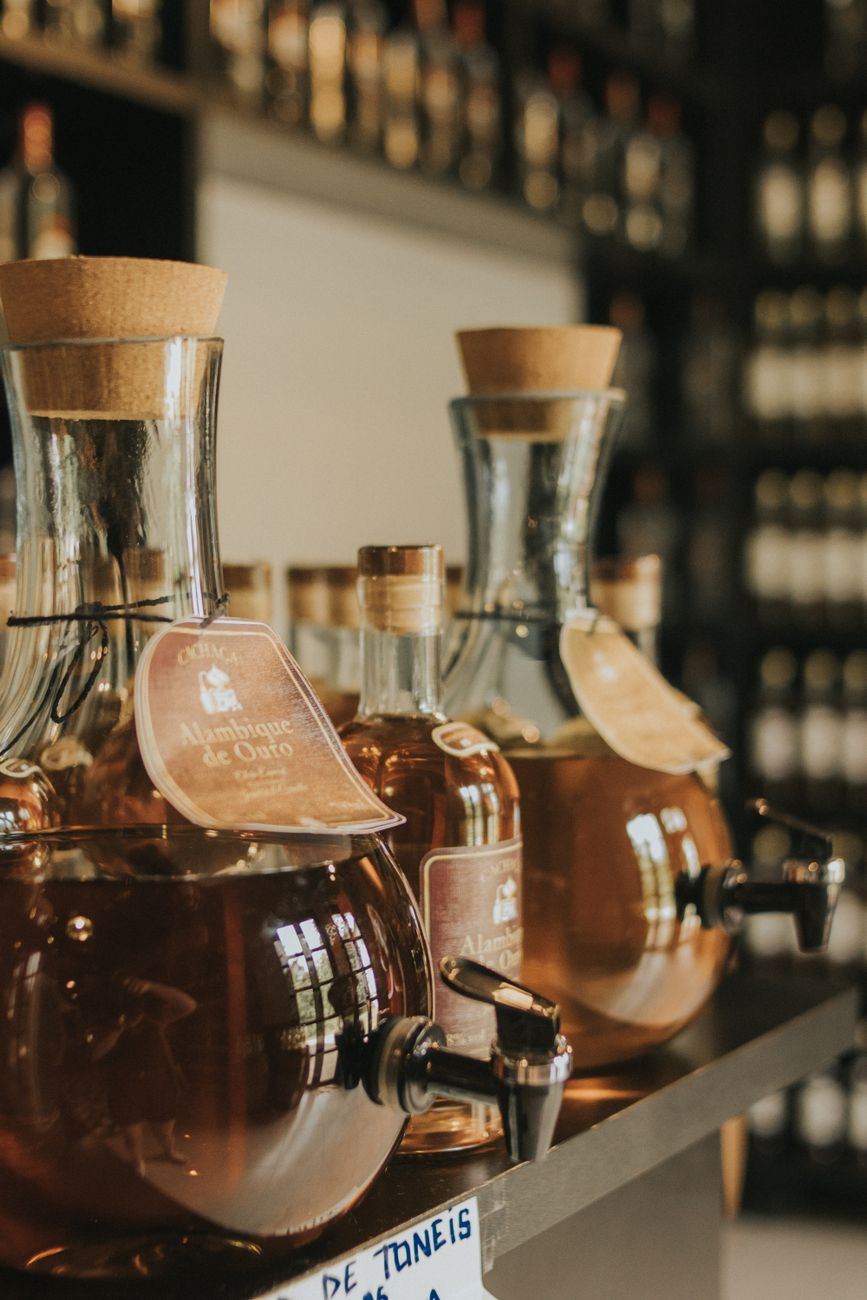
Thibarine (date liqueur)
A North African date-based liqueur with warm spice notes. Often sipped neat after dinner.
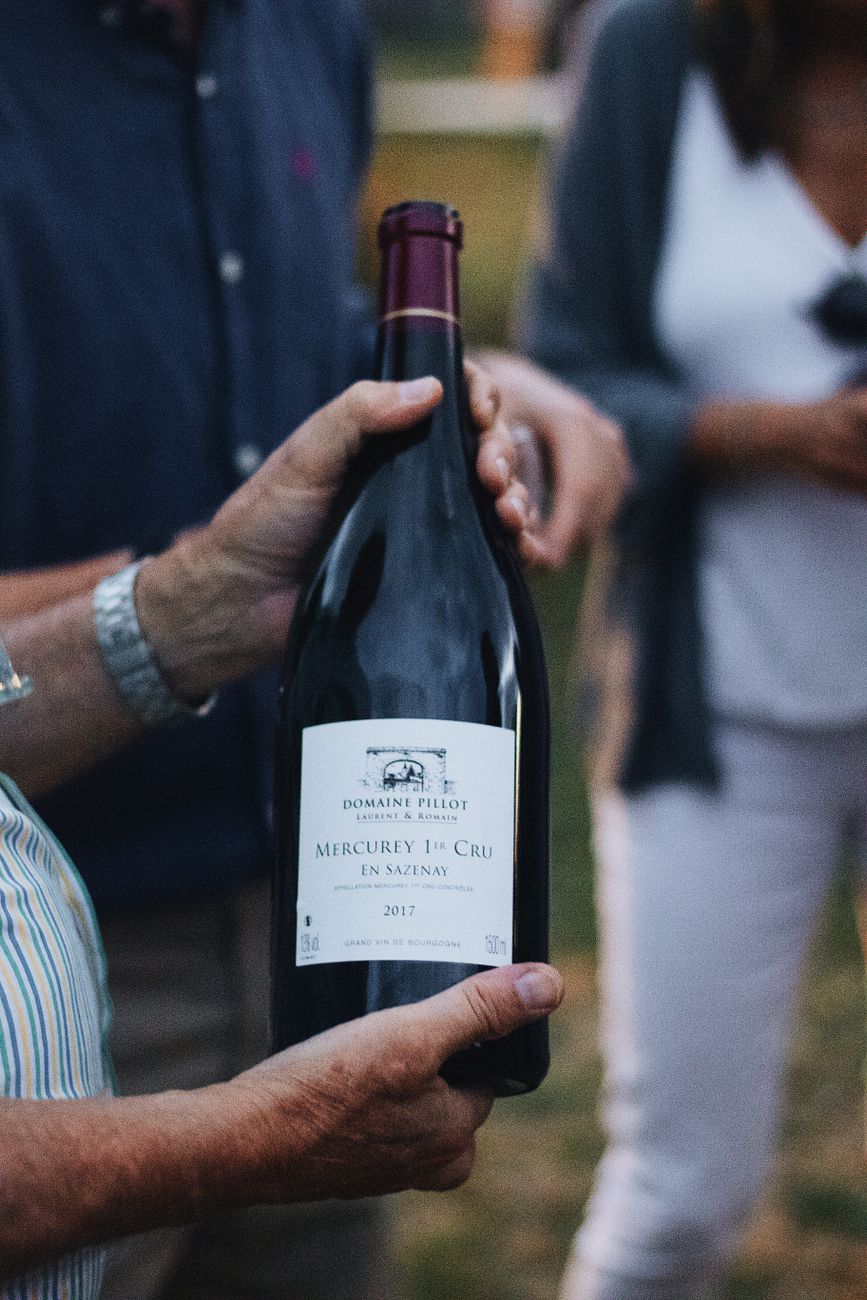
Domaine de la Zouina “Volubilia” (Moroccan wine)
Approachable Moroccan red or rosé from the Meknès area. Easy to find in Marrakech wine shops and hotel bars.
Casablanca Beer
Morocco’s best-known local lager, widely available in licensed restaurants. Clean, light, and suited to warm evenings.
Moroccan mint tea (atay b’naanaa)
Green tea poured from height with fresh mint and sugar. A daily ritual in Marrakech and villages across the Atlas foothills.
Amlou smoothie (almond–argan–honey)
A rich Berber blend often thinned with milk or yogurt into a drink. Nutty, lightly sweet, and common around the Souss and Atlas.
Fresh orange juice (jus d’orange)
Pressed to order at Marrakech stalls and cafés. Bright, simple, and best in the morning or late afternoon.
Avocado–date milkshake (jus d’avocat)
Thick avocado shake, often with dates, almonds, or orange blossom. A popular café drink in Marrakech.
Mahia fig spirit
Traditional Moroccan fig spirit, sometimes associated with Jewish Moroccan heritage. Strong and aromatic, usually served as a digestif.
Thibarine (date liqueur)
A North African date-based liqueur with warm spice notes. Often sipped neat after dinner.
Domaine de la Zouina “Volubilia” (Moroccan wine)
Approachable Moroccan red or rosé from the Meknès area. Easy to find in Marrakech wine shops and hotel bars.
Casablanca Beer
Morocco’s best-known local lager, widely available in licensed restaurants. Clean, light, and suited to warm evenings.
Practical information
As you set off on this journey, here are some tips to enhance your experience and ensure a smooth adventure. Start your days early, especially in Marrakech, to enjoy the cooler morning hours and beat the crowds in popular spots like the souks and Jemaa el-Fnaa. As you transition to the Atlas Foothills, take time to appreciate the slower pace and the chance to immerse yourself in the stunning natural surroundings.
When choosing where to stay, consider basing yourself in different areas to fully experience the contrasts between city life and the serenity of the mountains. In Marrakech, staying near the medina allows you to easily explore the historic heart of the city. As you move to the Atlas Foothills, look for accommodations in Ouirgane or Imlil, where you can wake up to breathtaking views and the sounds of nature.
To avoid feeling overwhelmed, plan for leisurely afternoons and take breaks to soak in the atmosphere. The Moroccan culture is one of warmth and hospitality, so don't hesitate to engage with locals, learn a few phrases in Arabic or Berber, and savor traditional dishes like tagine and couscous. These culinary experiences are best enjoyed slowly, allowing the spices and flavors to transport you deeper into the Moroccan way of life.
Navigation between areas can be part of the adventure. While public transport is available, hiring a local guide or driver can enrich your experience with stories and insights you might otherwise miss. Respect local customs by dressing modestly, especially in rural areas, and always ask for permission before photographing people. With these tips in mind, your journey through Morocco will be both enriching and unforgettable.
Health & safety
General guidance only. Always check official health and safety advisories for your situation.
Weather
Heat and sun exposure
Carry water, sunscreen, and a hat; pace activities to avoid midday heat. 1
Other
Travel insurance
Comprehensive coverage that includes medical evacuation is recommended for remote terrain. 7[9]
Emergency
Emergency contacts
Dial 15 for ambulance or fire, 19 for urban police, 177 for rural gendarmerie, or 112 from mobiles. [10][11]
Transport
Mountain roads
Narrow, winding routes call for daytime driving and suitable vehicles where conditions require. 8
Common mistakes to avoid
Mistake
Instead
Mistake
Trying to squeeze Marrakech, the drive, and a long hike into the same day.
Instead
Keep Day 2 focused on the journey and save proper walking time for Day 3.
Mistake
Leaving Marrakech late and getting stuck in traffic and midday heat.
Instead
Start early to make the road calmer and the stops more enjoyable.
Mistake
Packing only city clothes and forgetting mountain layers and sturdy shoes.
Instead
Bring a light jacket and proper footwear even if Marrakech feels warm.
Mistake
Assuming card payments and ATMs will be available everywhere outside the city.
Instead
Carry some cash for rural meals, small shops, and local services.
Mistake
Photographing people and village life without asking first.
Instead
Ask permission and keep your camera low-key in smaller communities.
Mistake
Underestimating winding roads and planning tight arrival times.
Instead
Build in buffer time and plan fewer stops so the day stays relaxed.
FAQ
Is 3 days enough for Marrakech to the Atlas Foothills?
+−
Yes for a taste of both city and mountains, especially if you keep driving time realistic and don’t overpack Day 2. You’ll get better hikes and village time by prioritizing one foothills base.
What’s the best time of year for this Marrakech to Atlas Foothills itinerary?
+−
Spring and autumn are the easiest for hiking and comfortable days. Summer is hot in Marrakech but cooler in the mountains; winter can bring snow to higher trails.
How do I get from Marrakech to the Atlas Foothills without stress?
+−
A private driver or guided transfer is the simplest and most flexible, especially with scenic stops. Public transport exists but can be slower and less direct for trailheads and villages.
Should I stay in Ouirgane or Imlil for two nights?
+−
Choose Ouirgane for a quieter valley feel and gentler walks, or Imlil for classic trail access and a more hiking-focused base. Either works well for a relaxed 3-day pace.
Do I need a guide for hiking in the Atlas Foothills?
+−
For short, well-trodden walks you can often go independently, but a local guide adds safety, navigation, and cultural context. It’s especially helpful in winter conditions or on longer routes.
Related guides